
(6 minute read)
It is not the sights that do it. It is what a trip quietly gives you permission to become.
You do not always notice it while it is happening. You are three days into a trip, sitting somewhere with a coffee you did not rush, watching a street you do not know, and something has loosened. The version of you that got on the plane, the one with a hundred tabs open in the back of the mind, has gone quiet, and someone a little more like your actual self has taken the chair. Travel gets sold on what you will see. The better secret is what it does to you while you are looking.
The first thing that shifts is your sense of normal
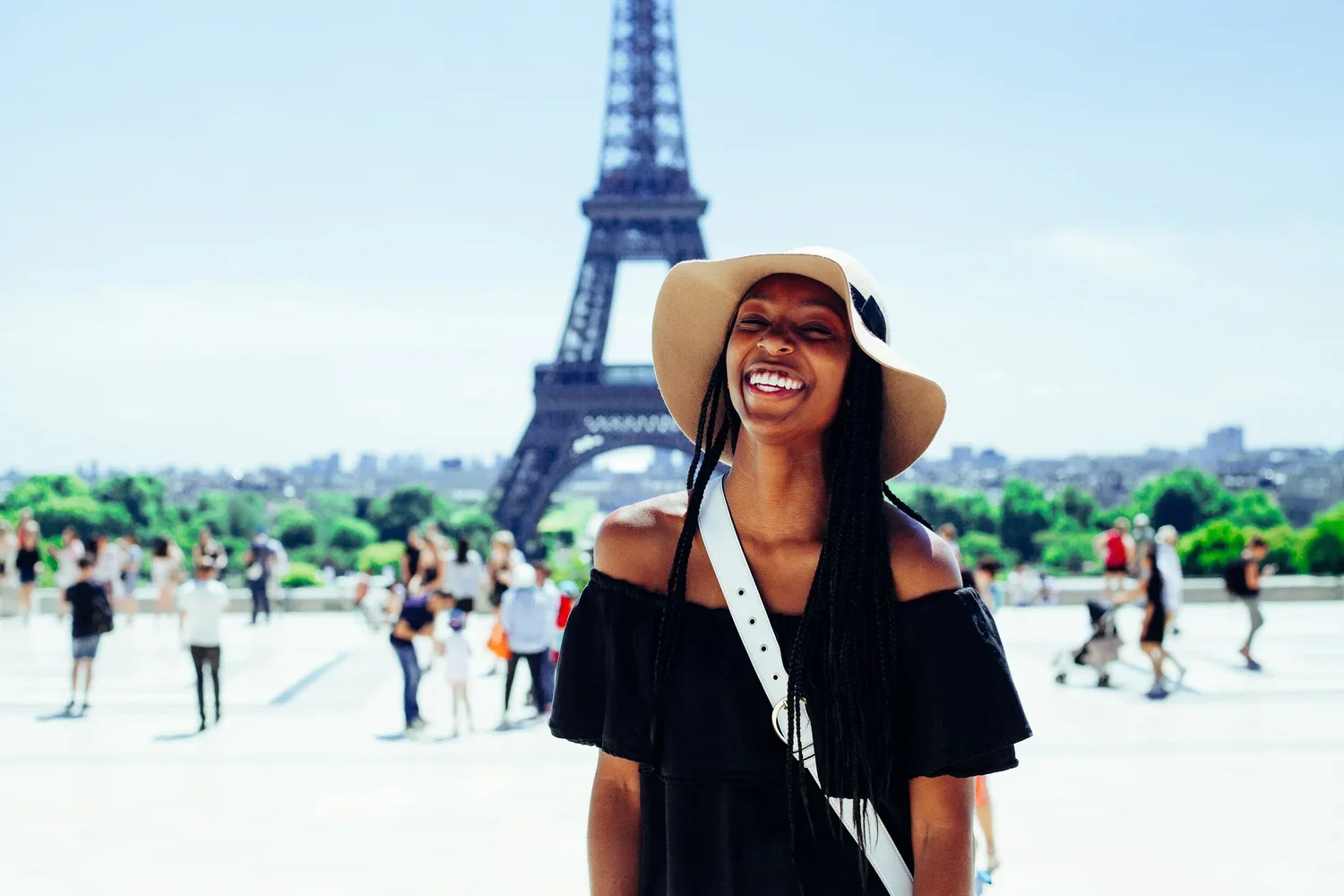
The first time I went to France, I felt the difference in my nervous system before I could have explained it. Everyone was moving slower, and, more than that, moving with intention. The little shop closed from noon to four and no one apologized for it. The server did not hover, did not rush us, and it did not matter, because no one at the table was in a hurry either, and the food was wonderful anyway. I remember standing in the middle of all of it and realizing, almost with a start, that I was the strange one. I was the one wound tight, waiting for the check, mentally sprinting to the next thing. The place was not inefficient. I was overclocked.
That is what a new place does before it does anything else: it holds a mirror up to the defaults you did not know you had. And you do not have to move abroad to feel it. You just have to go somewhere that runs on a different clock and stay long enough to stop fighting it.
A trip gives you permission you would never give yourself
Here is the part travelers underrate. Even as a visitor, you can walk into a place the locals use, a café, a market, a long lunch, and feel yourself trying to speed it up, to get it done, to be efficient about a thing that was never meant to be efficient. And then the place gently refuses to cooperate, and hands you permission you would never have granted yourself at home.
Permission to sit for two hours over one meal. Permission to spend an afternoon with no plan and call it well spent. Permission to do one thing today, fully, instead of six things halfway. Back home you would feel guilty. Somewhere else, guilt has no jurisdiction, and you discover you are very good at the thing you never let yourself do. That is not laziness. It is a truer setting for a life, and a trip is often the only place you will let yourself find it.
Presence stops being a discipline and becomes the weather
At home, being present is something you have to work at, an app, a practice, a reminder. On a trip it just happens, because the world will not let you autopilot through it. You cannot half-watch a landscape you have never seen. I take the train constantly and I still cannot stop looking out the window; the countryside sliding by gets me every single time. The first bite of something you have never eaten does the same thing. Novelty drags your attention into the room by the collar, and for a while you are entirely where you are, which is rarer at home than any of us likes to admit. Trips are dense with those moments, and they are why you remember a good one in vivid detail years later while whole ordinary months blur together.
You find out who you are by who you meet
The strongest thing travel ever gave me was people, and never the ones I planned for. A stranger in London once simply gave us a ride when we were stuck, no reason, no angle. On Corsica, the man whose place we were staying in made us coffee every morning and we ate croissants together like we had known each other for years. In Marseille, we fell in with two women from Ireland and spent a whole night drinking rosé with our legs hanging over the edge of the Vieux Port, the kind of evening you cannot schedule and never forget.
None of that was on any itinerary, and that is exactly the point. A trip keeps handing you small, low-stakes chances to be open, to say yes, to talk to someone you will never see again, and every time you take one, you get a little piece of yourself reflected back. You remember that you are someone who connects easily, or who is braver than your desk lets you be, or who is good with strangers. Those are not new traits. Travel just gives them somewhere to show up.
Confidence is mostly your faith in the world getting proven right
I will be honest about my own version of this, because it is not the usual story. I do not travel scared. I go in trusting that I can handle what comes and that most people are kind and willing to help, and travel rewards that faith on a loop. A gas station in Germany once charged me for a stranger's fuel, and across a real language gap I managed to explain the mix-up and get it fixed, and walked out a little more sure of myself than I walked in. I spent a week alone in Marseille, doing my own shopping, talking to strangers, running my own days with no one to lean on, and it went great. None of it was dramatic. That is the point. The confidence travel builds is quiet: a slow accumulation of "I can do this," collected one small solved problem at a time.
And it works just as well from the other end. Someone I planned a trip for once arrived in France nervous, alone, not confident in her French, braced to feel like an outsider the whole time, and told me afterward that not once did she feel like a stranger there. She came home and promptly booked another trip, solo, and did it again. She did not become a different person over there. She got to find out she was already the person who could do it. That is what a good trip does: it removes enough of the fear and friction that you are free to be yourself in a place you were afraid of.
Which is really the whole thing
Travel does not turn you into someone else. It clears the noise, the routine, the autopilot, the low hum of doing-more-faster, long enough for the person underneath to stretch out. You come home feeling less like a changed person and more like yourself again, more curious, more patient, more willing to sit still or say yes, carrying a slightly clearer picture of who you are when nothing at home is telling you who to be.
The catch is that all of this only happens if the trip leaves room for it. A schedule packed wall to wall gives none of it a chance; you just export your busy life to a prettier backdrop. The version that changes you is the slower one, with space to wander, get a little lost, and let a place work on you. Leave that room, and you are free to do the only thing that matters: to be fully, unhurriedly yourself, somewhere new.