

The Blog
Like the way we think about travel?
This is where we work it out: routes and rhythms, the ethics of a cheap flight, the right way to miss a train. If it lands, Mise en Place is the same voice once a month, and the My Life in Burgundy waitlist is open.
Browse our articles…

Take the Blue Bike
(6 minute read)
Three days and sixty kilometers on a Vélib'. What the passes actually cost in 2026, why the electric bike is the whole point, the per-trip minutes trap that catches everyone, and what a backwards saddle is trying to tell you. From people who live here.

Trains Are Romantic. Missing One Is Not.
(8 minute read)
A rail regular's guide to the small European train rules that trip people up: ticket types, when a seat reservation is mandatory (and when a pass still leaves you standing), the validation and railcard traps that get you fined, honest connection buffers, and the two habits that prevent most disasters.

Less Luggage, More Europe: The Multi-City Europe Packing Guide
(8 minute read)
Packing for a multi-city Europe trip is different from packing for a single stop. This guide covers how to pack light, choose the right luggage, build a simple travel wardrobe, plan laundry, and handle trains, cobblestones, and changing weather with less stress.

How to Choose Your European Home Base: Neighborhoods That Work
(6 minute read)
A practical guide to choosing the right neighborhood for your Europe trip. Learn how to balance quiet nights, walkability, transit access, daily essentials, and smoother transfer days when booking hotels or apartments.
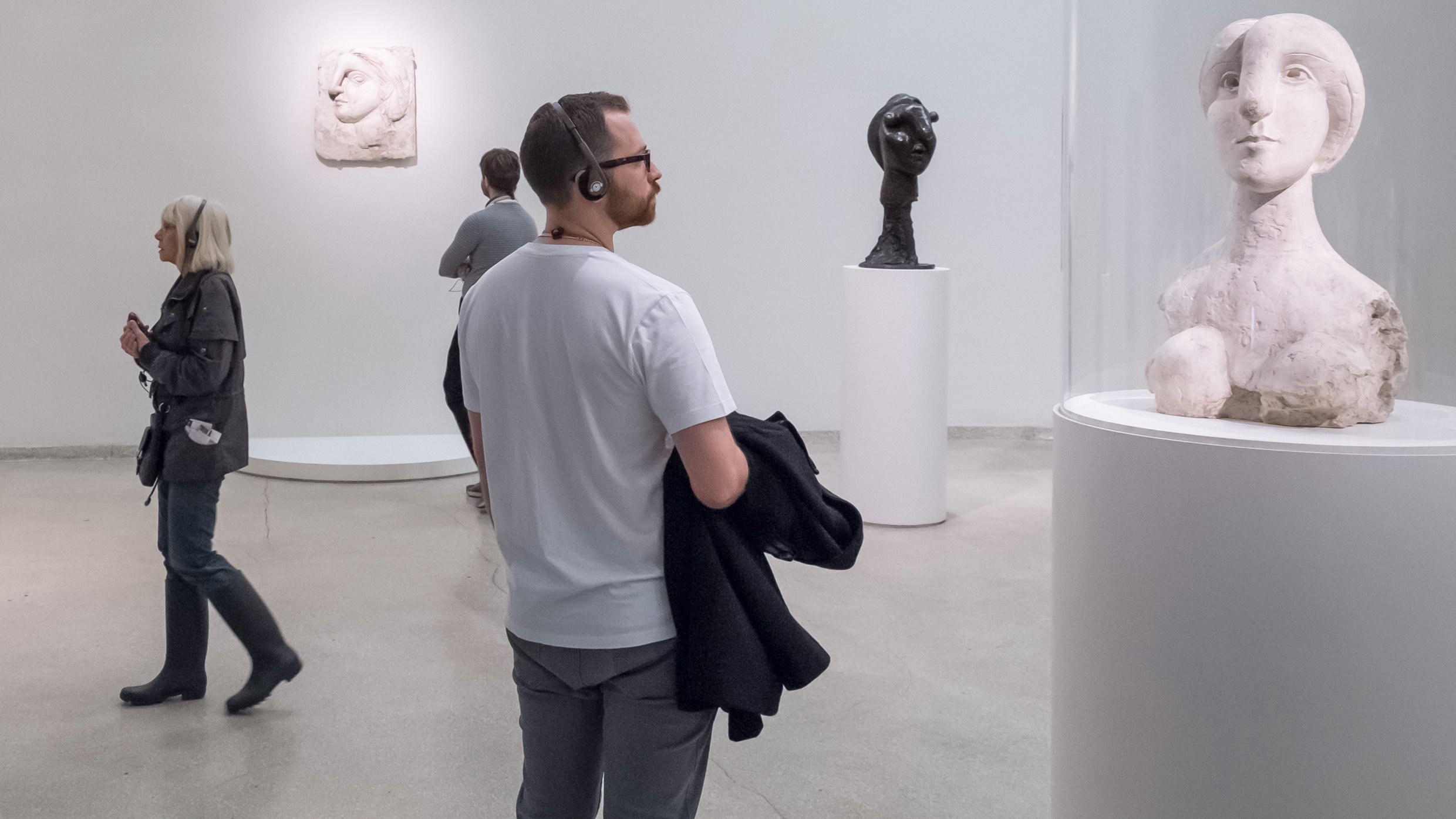
Museum Audio Guides: A Field Guide to the Voices, the Drama, and the Unexpected ASMR
(7 minute read)
Explore museum audio guides beyond basics: narrator styles, pacing, dramatizations, whisper tracks, and surprising sensory appeal (yes, ASMR moments). Learn how to choose guides for art, history, and niche exhibits so your museum visit feels richer, clearer, and more enjoyable.
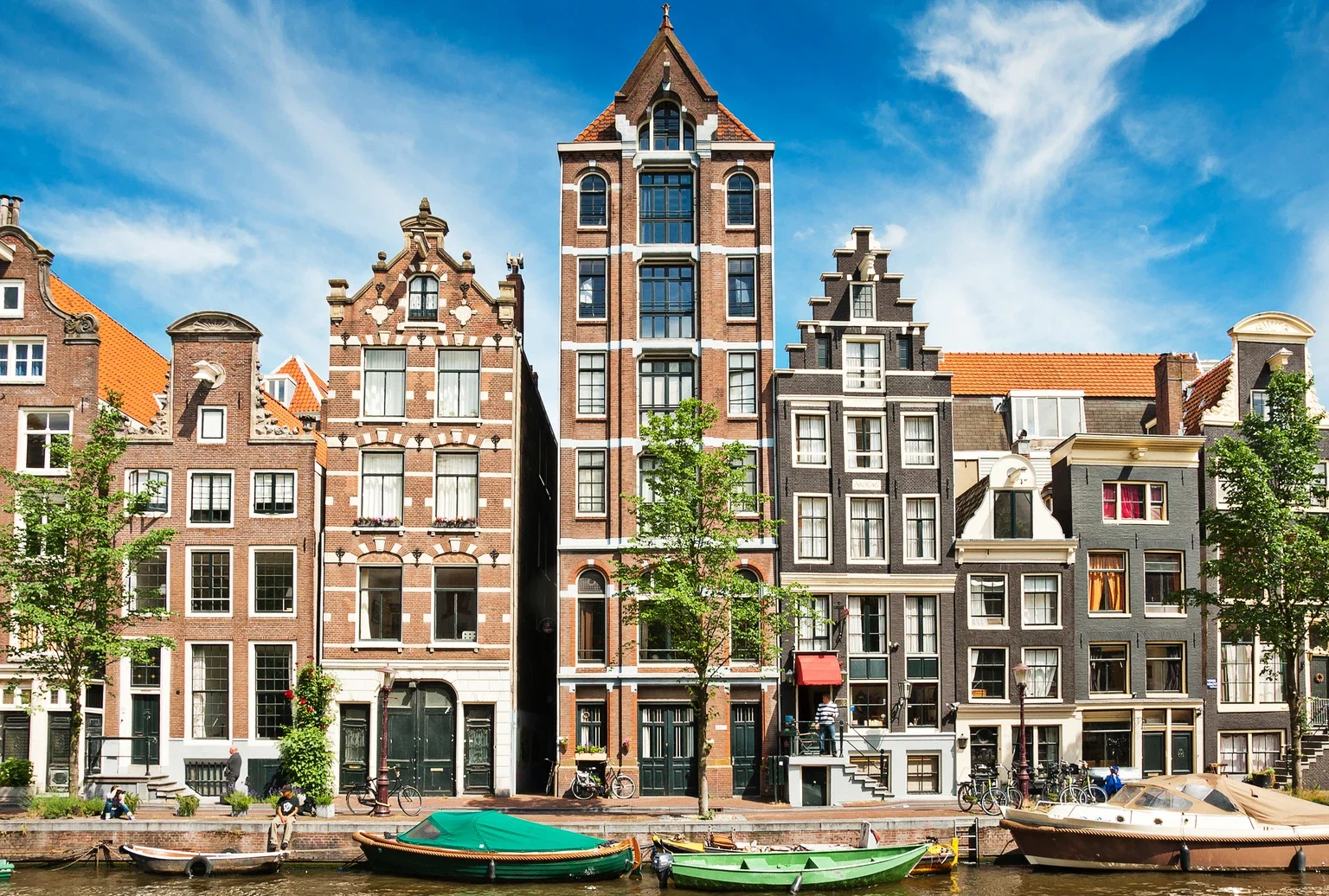
Check In, Give Back: Fairbnb.coop
(6 minute read)
How Fairbnb.coop works and whether it's worth booking: the cooperative Airbnb alternative that sends half its platform fee to a local community project you choose at checkout, with no surcharge to you and no change to what the host earns. A plain look at the model, what you get, and where it falls short.
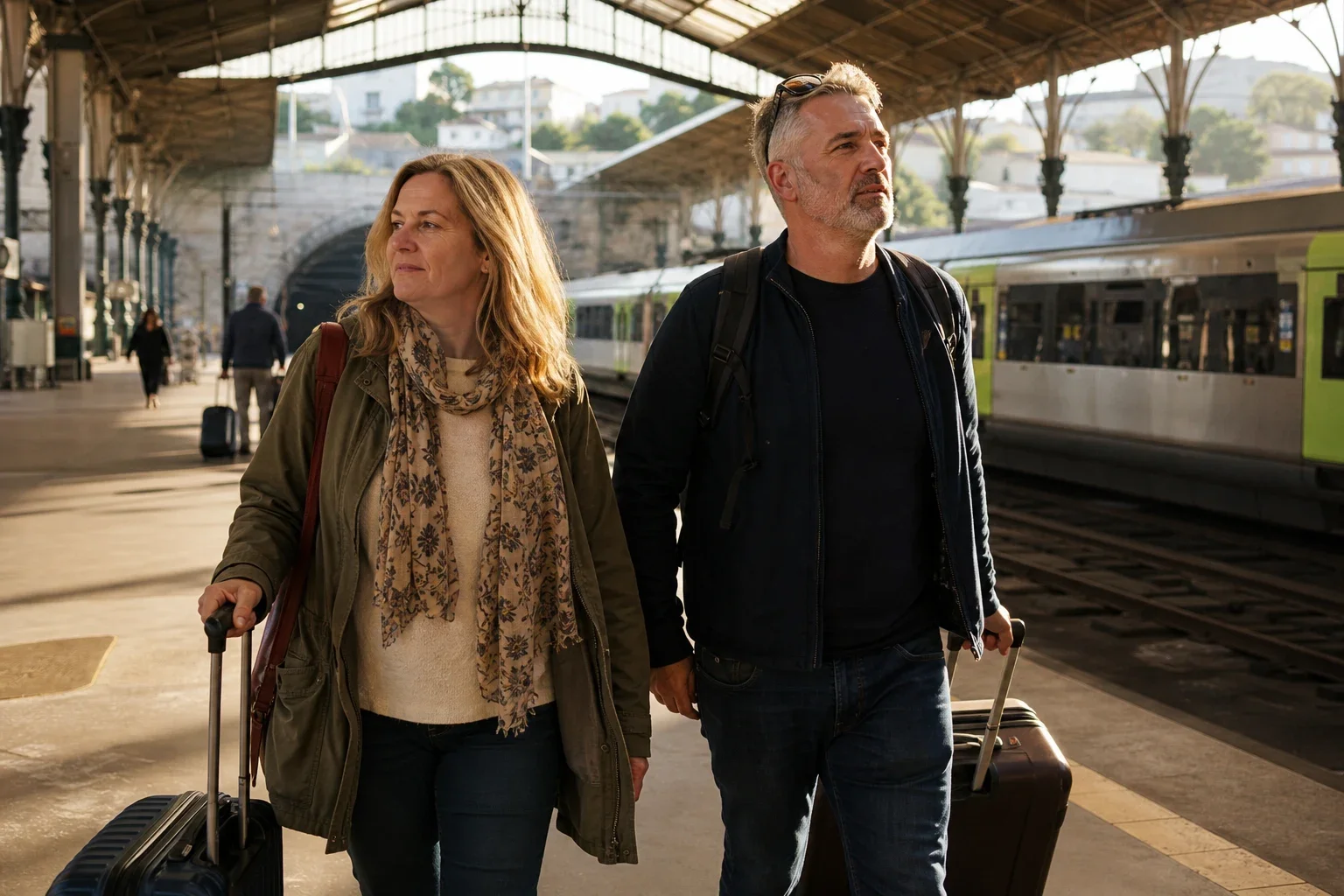
Two-Base Europe Trips: Fewer Hotel Moves, Better Vacations
(5 minute read)
The case for a two-base trip: pick two smart home bases, connect them by fast train, fly open-jaw, and add easy day-trips, so you pack once, move less, and spend the savings on better rooms. Includes six 10-to-12-day templates (Paris and Provence, London and Paris, Rome and Florence, and more) and a simple day-by-day rhythm.
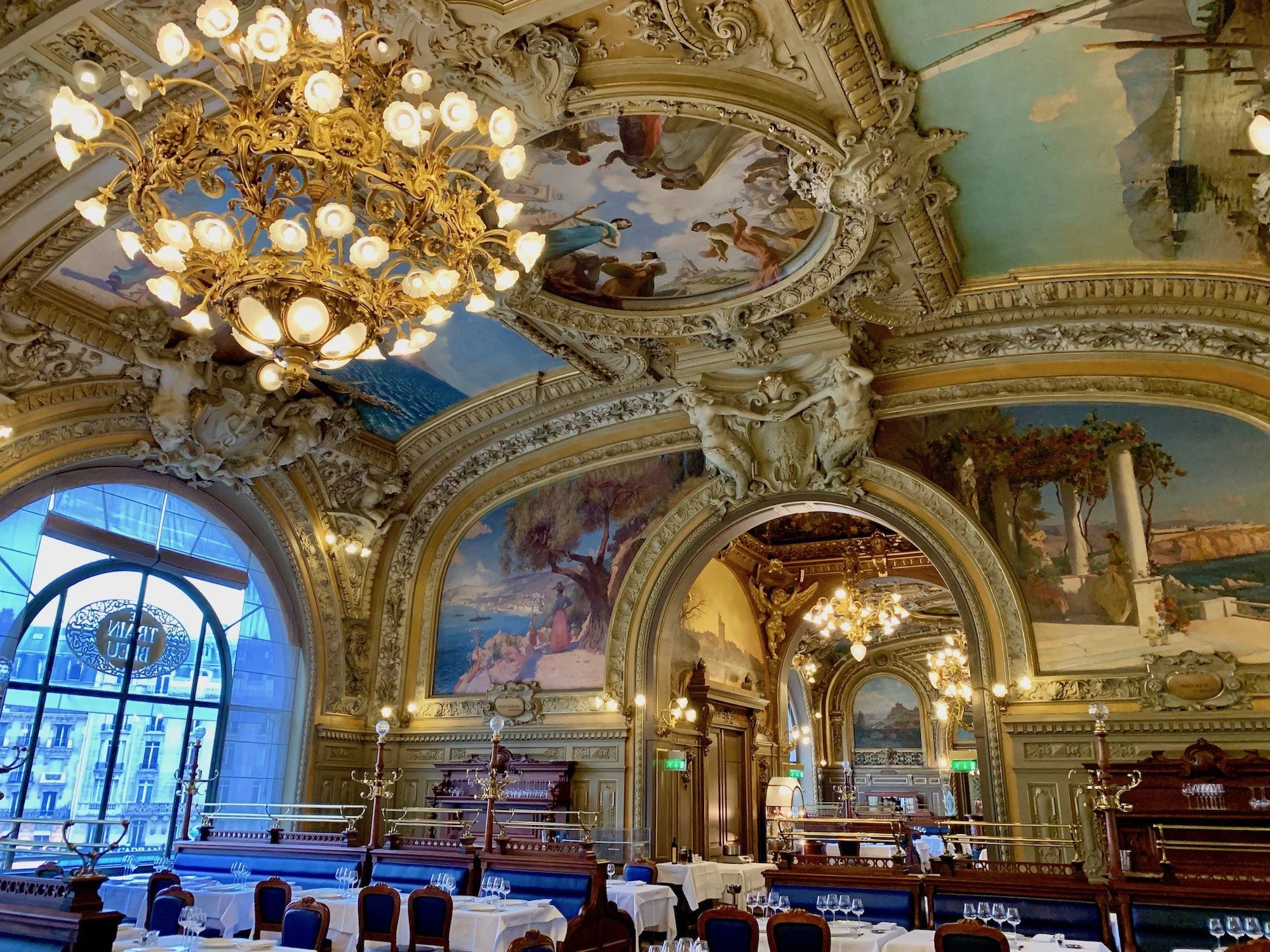
A Field Guide to France's Train Stations: Vibes, Snacks, and Mild Existential Dread
(7 minute read)
A frequent rail traveler's honest, firsthand field guide to the French train stations we actually use, from Paris Gare de Lyon and Marseille Saint-Charles to Lyon's two, Dijon, Bordeaux, Pau, and the tiny rural halts. Where to be stranded, where to build in buffer, and which one to leave for the mall across the street.

Why Travel Makes You Feel More Like Yourself
(6 minute read)
Travel is sold on what you'll see, but the real gift is what it does to you while you're looking: the permission to slow down, the presence you can't fake, the strangers who become the trip, and the quiet confidence of handling yourself somewhere new. A traveler's case for the slower kind of trip.
Anthropology in Aisle Seven
(9 minute read)
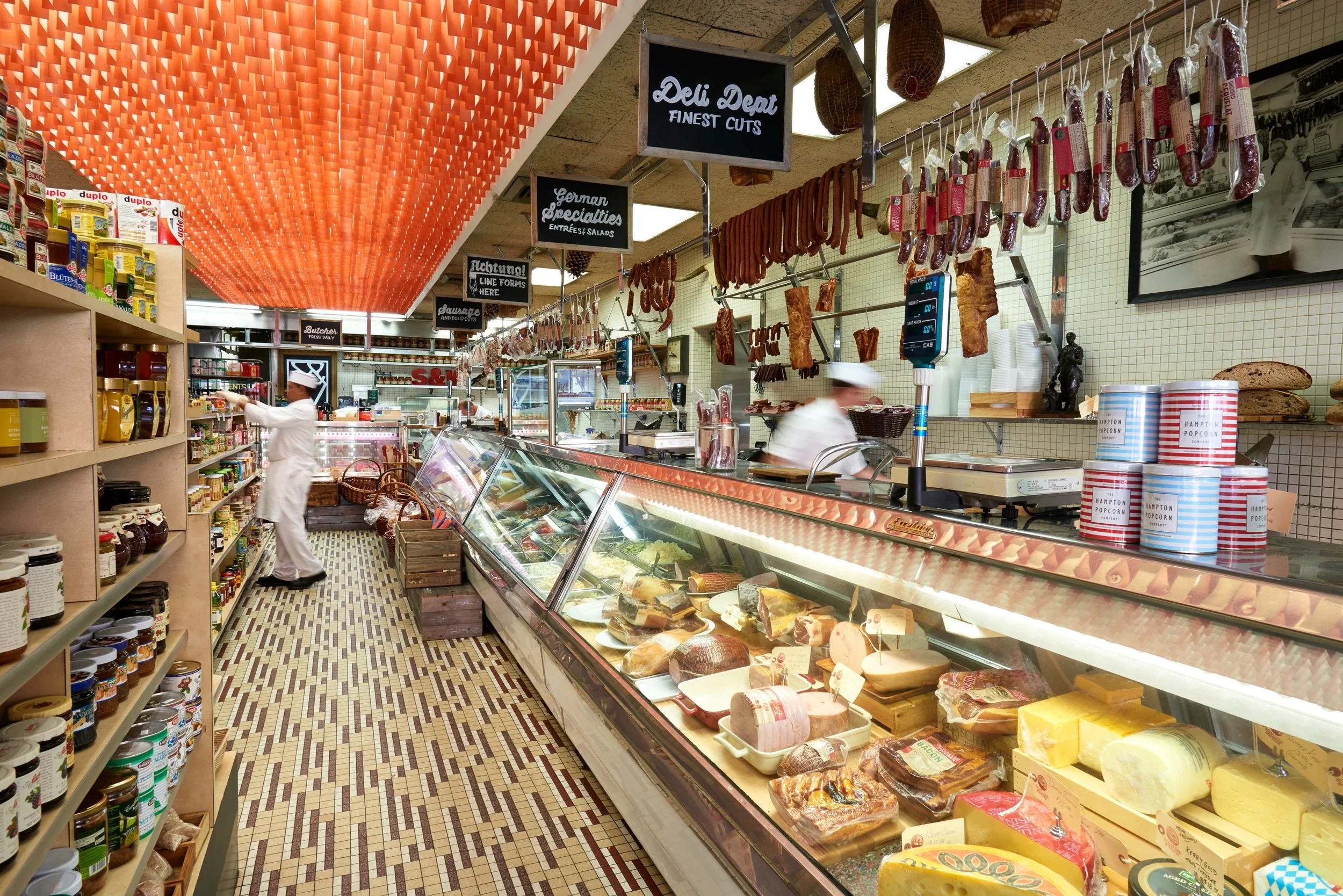
What a French supermarket teaches you about the country, from someone who shops them in rural Burgundy: the multi-store circuit, the etiquette that trips up Americans, the butcher who knows you, the dairy wall, and a picnic blueprint.

Rail vs. Short Flights in Europe: Time, Cost & Stress Compared
(5 minute read)
Not sure whether to take the train or fly between European cities? Compare door-to-door time (airport transfers, security lines, baggage), real costs (bags, seats, station-to-hotel), and comfort factors. A simple rule of thumb: high-speed rail often wins on trips around 4–6 hours; short flights win when trains are much longer or require multiple connections.

Christmas in France, Like a Local
(10 minute read)
What Christmas in France is really like, from a France specialist living in Burgundy: the réveillon table, the truth about midnight mass in rural parishes, the Alsace markets, Provençal santons, and the galette des rois that carries the season to Epiphany.

How Far in Advance to Book Europe: Flights, Trains, Hotels & Activities
(8 minute read)
When to book a Europe trip: ideal windows for flights, hotels, high-speed trains, and timed entries, plus a copy/paste countdown from six months out to departure week. Book the hard-to-move pieces first and stay flexible.
Carry-On Only? Here’s How to Pack for 10 Days Like a Minimalist
(8 minute read)
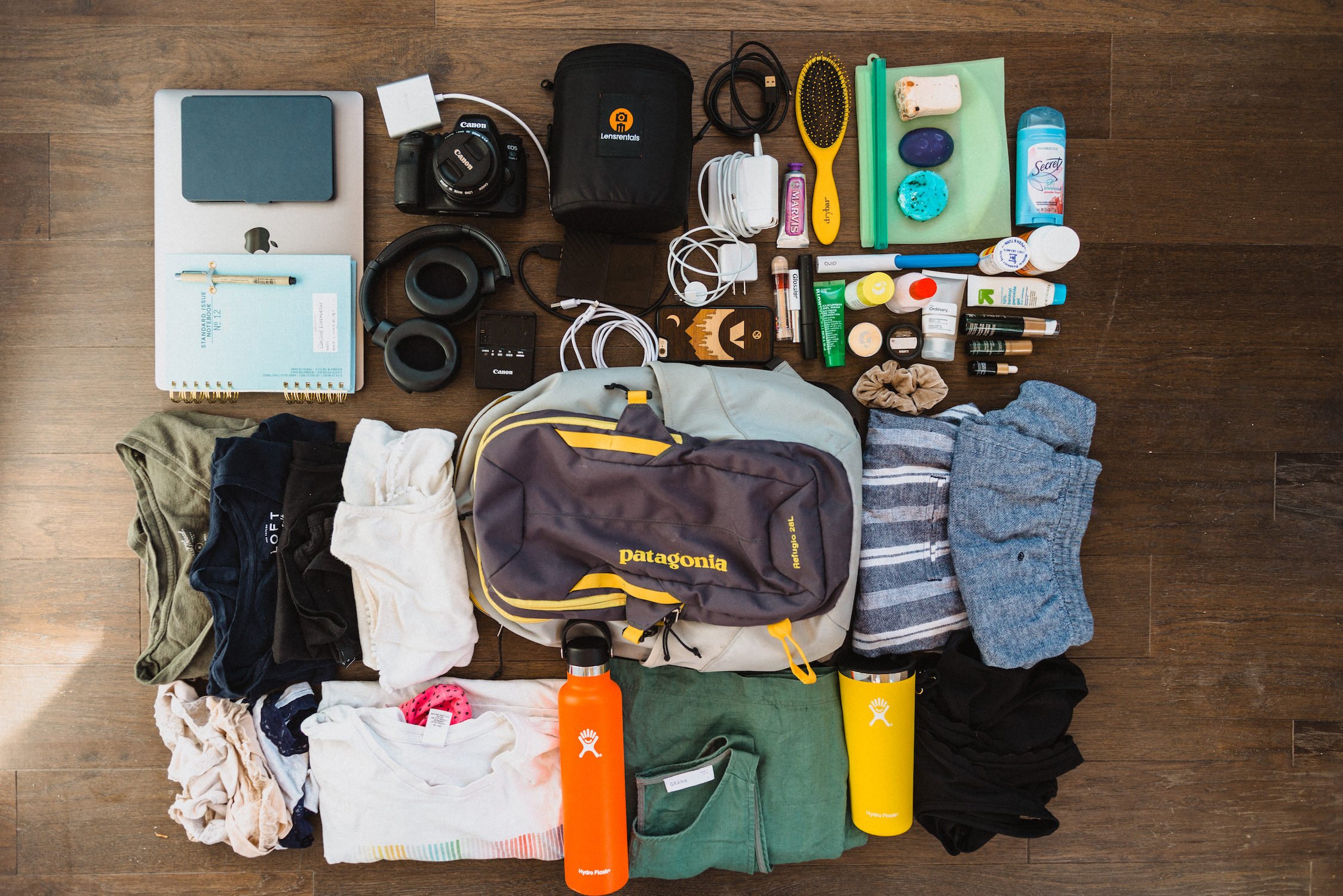
Pack 10 days in Europe with one carry-on: pick the right bag, build a capsule wardrobe, master packing cubes, and plan a mid-trip wash. Includes copy/paste packing lists for spring, summer, and rainy shoulder season.

7 Reasons You Should Never Go Abroad (Unless You Like Joy)
(7 minute read)
A tongue-in-cheek case against travel: airports, jet lag, strange food, scams, and crowds, and the true stories that prove every "disaster" abroad is really the best part.

The Best Times to Visit Paris Museums: A Day-by-Day Guide
(8 minute read)
A day-by-day guide to visiting Paris museums with fewer crowds: Louvre late nights, Thursday Orsay, Orangerie at opening, plus closures, last-entry times, and timed-ticket rules.
A Totally Subjective Guide to French Pastries That Could Ruin You (In a Good Way)
(6 minute read)
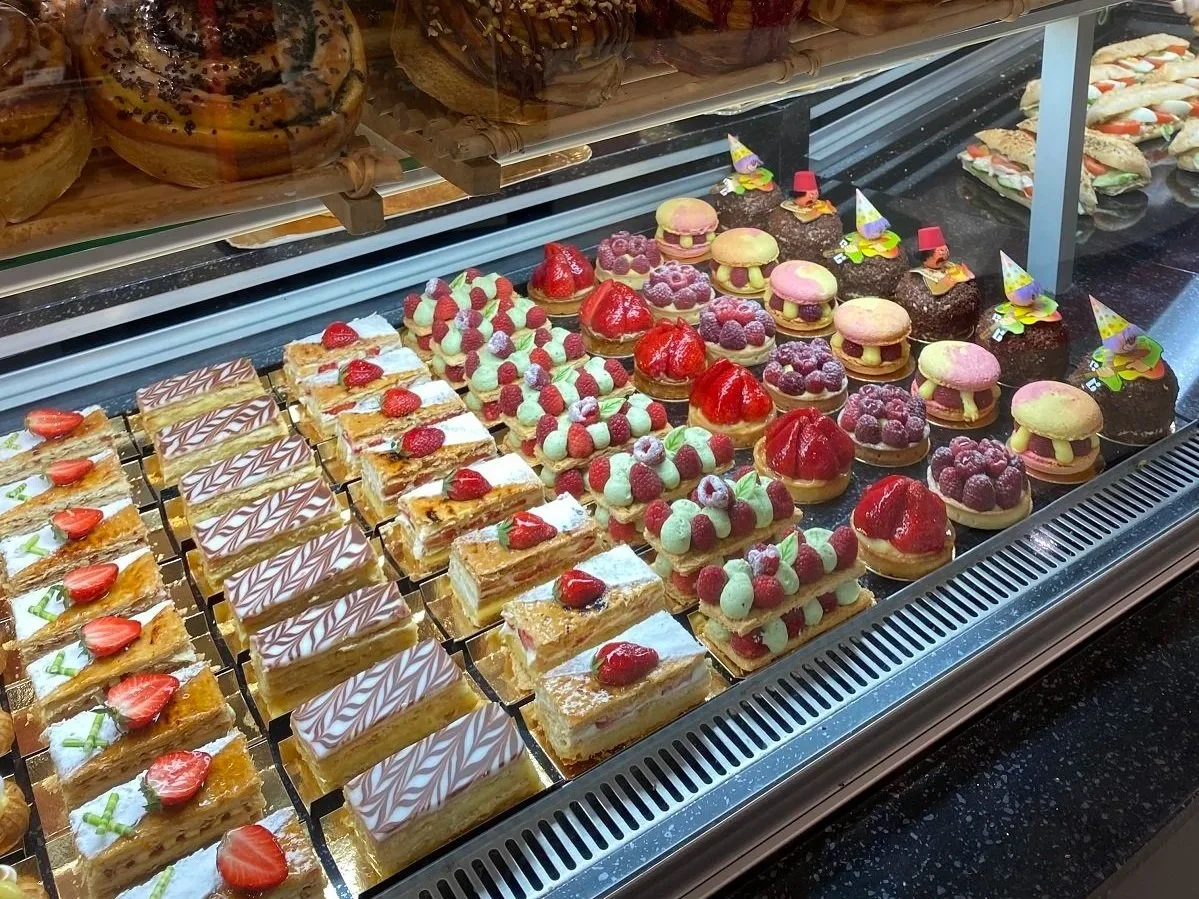
A biased, bakery-fed love letter to France's best pastries, from croissants and chou à la crème to gougères and the humble chausson aux pommes, written from a village in Burgundy.
How to Eat Well in Europe on a Budget
(6 minute read)
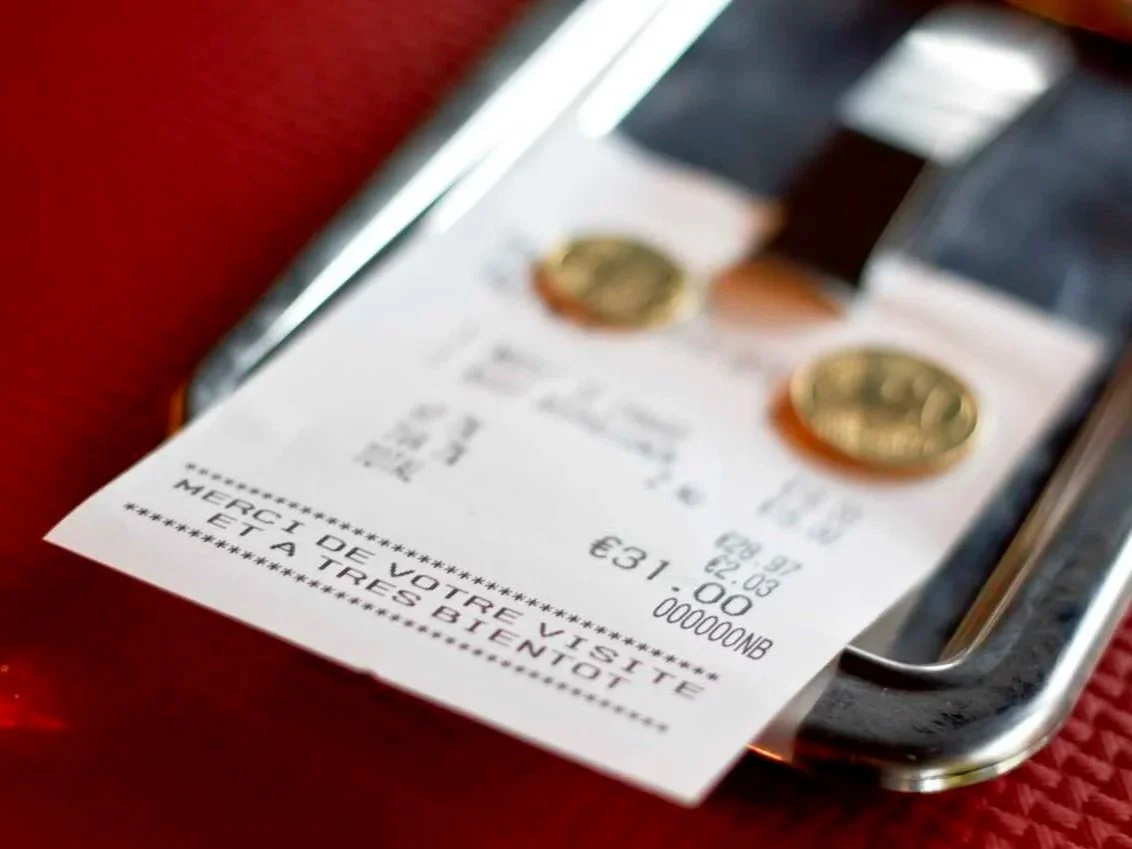
Eat like a local without wrecking your budget: when to eat, why lunch is the smart splurge, how to spot a tourist menu, and the small bill traps that add up.

The Ground Rules: Europe’s Coffee Culture
(4 minute read)
A country-by-country guide to Europe's coffee rituals, from Italian espresso rules to Swedish fika and French café life. What to order, when, and where to linger.

Where to Stay in London by Neighborhood (and Why It Matters)
(8 minute read)
A neighborhood-by-neighborhood guide to where to stay in London, from a family who always bases in Dalston: who each area suits, the trade-offs, and how to choose.