
Anthropology in Aisle Seven
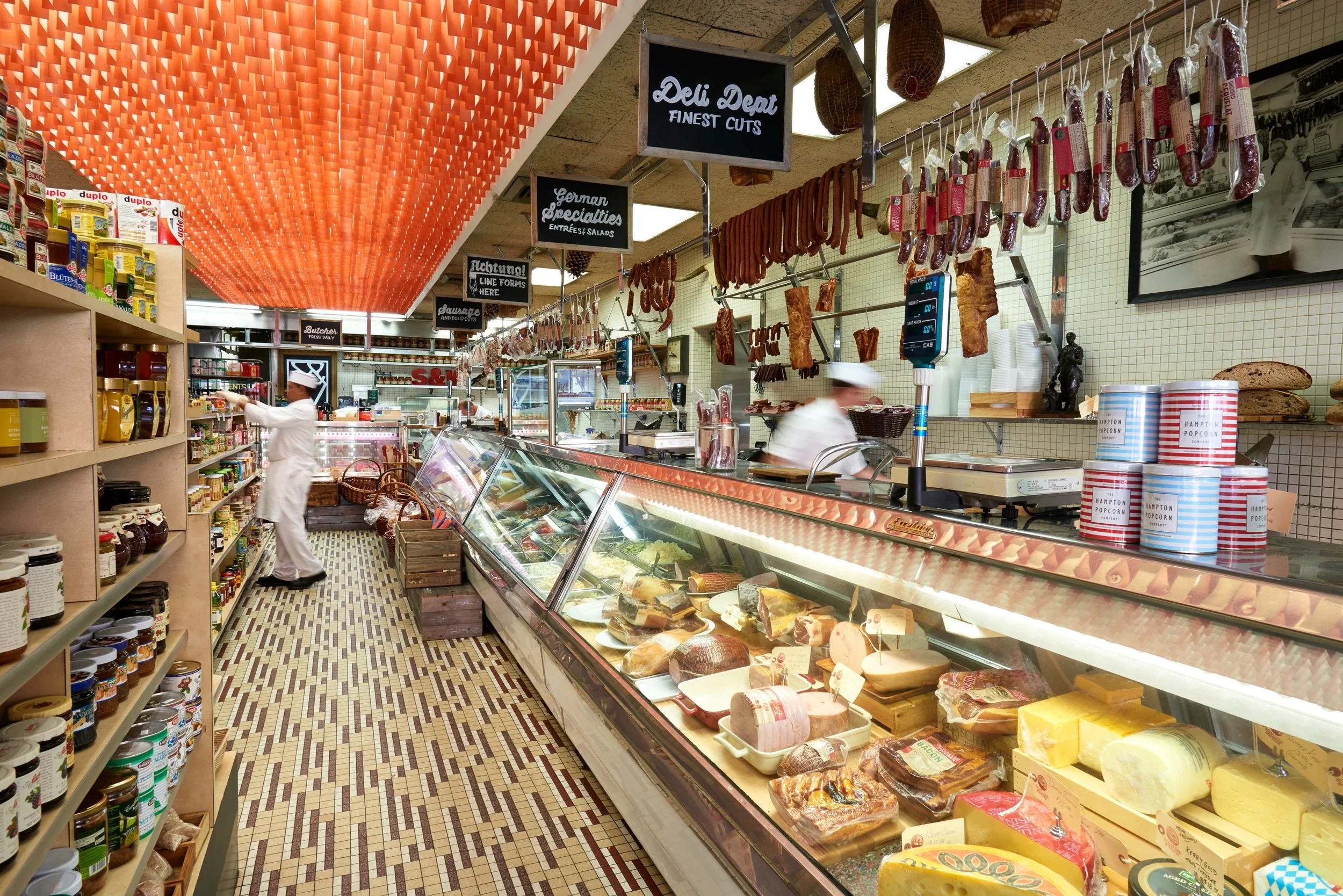
(9 minute read)
Because the fastest way into a culture is to see what a local drops in the basket on an ordinary Tuesday.
You land somewhere new, you drop your bags, you go for a walk. A cathedral, a museum, a café. And then you pass the local supermarket, and if you have any curiosity at all, you duck in for water and come out an hour later holding four kinds of cheese and a jar of something you cannot read.
My uncle Earl gave me this habit. He and my Aunt Celia have always done it, in every city they visit: skip a museum if you have to, but find the local grocery store and look around. I thought it was a charming quirk of theirs until I moved abroad and understood he was right.
We are all for the art and the architecture. But a museum shows you what a place used to be, and a supermarket shows you what it is right now: what people buy on a Tuesday, what gets the good shelf, what a normal dinner looks like. We live in rural Burgundy, and after a few years of shopping these aisles for real, I can tell you the grocery run is one of the most honest afternoons you can spend in a country. Here is what it taught me, starting at home.
In France, the supermarket is a circuit, not a store
The first thing to understand about shopping in France is that no single store really does the whole job, and nobody expects it to. A good week is a circuit.
Our favorite stop is Grand Frais, which we treasure for its produce and its meat. Not every town has one, and we know we are lucky, because it is the rare supermarket that treats a peach and a cut of beef with the seriousness of a market stall. It does not carry absolutely everything, though, and that is the whole point.
The rest fills in around it. There is an Intermarché or U Express for toiletries, dry goods, the freezer, and the beer-and-liquor aisle and a Leclerc when we want the full hypermarket. Bread comes from the bakery, never the supermarket. Meat, when it is not from Grand Frais, comes from the butcher shop. Produce sometimes comes from the market or the épicerie, or even our neighbor's garden or fruit tree. Wine comes from a local domaine or the co-op. A French fridge is assembled from half a dozen specialists, not tipped out of one cart.
The rural version has one catch a city dweller never thinks about: you have to drive to all of it. A grocery run out here is a planned expedition, not a stroll to the corner, and with the price of fuel you learn to batch it into one trip. When I lived in Besançon it was easier, a good Monoprix as home base with Lidl, Intermarché, Biocoop, and a proper cheese shop all within reach.
The rules that ambush an American
Once you are inside, France runs on a set of unspoken rules that can catch a newcomer out in the first ten minutes.
Start with the bags. You bring your own, you pay if you forget, and here is the part that still feels illegal to many Americans: people use their bags as they shop, filling them straight off the shelf. In an American store that would get you stopped for shoplifting. Here it’s totally normal and spares you from always needing a cart. The cart itself often wants a one-euro coin or a little plastic token to unlock, returned when you dock it, so I keep a token in my wallet. Some stores also make you weigh your own produce and print the sticker before you reach the register, and because none of my local places do it, I still get caught out by the ones that do. The Monoprix in Besançon humbled me more than once.
The hours took adjusting too. Our stores don’t open until nine and close around seven or eight. The idea of a 24-hour anything is foreign, and you shape your day around the shop rather than the other way around.
Then there are the small things that still delight me. The cashiers sit down, which is humane and somehow radical to American eyes. Self-checkout exists but has not taken over, and plenty of people still prefer a real person at the register. You can split a multipack and walk off with a single bottle of milk or water or whatever. The whole basket costs noticeably less than it would back home. And when France decides to go big, it goes enormous: the hypermarkets out in the suburbs and the countryside rival a Super Walmart for sheer square footage, which is a strange thing to find at the edge of a village.
The butcher knows me by now
If one counter turned me from a customer into a regular, it is the butcher's. French butchery is its own education: cuts I had never seen, names I had to learn, and a range of meat I simply would not have bought in the US. There is no bacon in the American sense, for one. What they have is smoked and a little different, and that difference lead to me actually feeling more like a local than ever before.
Paul's mother wanted to make a proper American breakfast for me for my birthday. She went to my butcher hunting for American-style bacon, and when she explained that it was for her “American friend”, he knew at once. "Ah, le grand chauve?" The big bald guy. That is me. When the butcher can pick you out of a sentence that never says your name, you have stopped being a tourist.
The butcher is also the one place I truly have to speak French. No scanning a label, no pointing and hoping, just a conversation across the counter about what I am cooking and what he would cut for it. Being known has its perks. In season he slips me free sauerkraut to go with my Alsatian sausage. During the World Cup he handed me a blue, white, and red crayon for face paint. None of that is on a shelf anywhere.
What ends up in my basket
The dairy wall is where France quietly wins. The yogurt, the petits suisses, the fromage blanc, the faisselle, the skyr, it is an almost absurd amount of cultured dairy, and it is glorious. I eat some version of it every single morning and often again after dinner.
The produce is simply better, and it always tells you where it came from, most of it France or Spain, which turns the habit into a small daily geography lesson. It also runs on the seasons in a way that caught me off guard at first: if a fruit is out of season, it is simply not on the shelf, and you find yourself eating with the calendar whether you meant to or not. The meat is the same story, better than I expected and worth the trip to the counter. And confiture, French jam, has quietly become a food group for me.
My most expensive lesson came from not reading a price tag. I once grabbed a chicken, brought it home, and only afterward understood I had bought a poulet de Bresse, the aristocrat of French birds, at aristocrat prices. In my defense, it was the finest chicken I have ever eaten. We did it slow with butter, oil, and tarragon, and I have never once regretted the mistake.
Across the border: same church, different hymns
Cross a frontier and the choreography barely changes. Bring your bags, weigh your produce, mind the hours, feed the cart a coin. What changes is the loot on the shelves, and that is the fun of it.
A quick field guide to what shifts as you travel: the Netherlands puts chocolate sprinkles on breakfast toast and stacks stroopwafels by the door; Italy buries you in taralli and canned tuna that ruins you for the cheap stuff; Spain builds seasonal mountains of turrón. Germany and Austria run on quark and Haribo flavors that never cross the border; the UK lives on the meal-deal and supermarket ready-meals far better than they have any right to be; the Nordics dare you with salty licorice; Portugal turns canned fish into an art form. Point your phone camera at any label that stumps you, learn the words for nuts and spicy, and when in doubt, buy the mysterious thing with the goat on the box. Curiosity feeds better than caution.
The best cheap dinner in town
None of this is only anthropology. A smart grocery haul can outdo a middling restaurant, especially on a travel day when you are tired and everything good is booked out. For two people: a baguette or crackers, some charcuterie or a rotisserie chicken or canned fish, one soft cheese and one firm, olives or cornichons, tomatoes or fruit, a local cookie, and sparkling water with a regional soda or a half-bottle of wine. Ask the deli to slice what you need, spread it on a park bench or a hotel desk, and you will have eaten better than the tourist menu down the street.
The supermarket is also where the good, cheap souvenirs hide. Skip the airport chocolate. Bring home local candy, a fancy salt, a spice blend, a jar of jam, a tin with beautiful graphic design, and look like you tried hard while spending three euros. Two cautions before you pack: cured meat does not belong in a carry-on across most borders, and oils and jams travel in checked bags or get bought after airport security, never before.
Shelf-discovery
We will always send you to the cathedral, the vineyard, and the village glowing at sunset. But we will also pin the local supermarket on your map, along with the butcher and the bakery, because that is where a country drops its guard and tells you the truth about itself. Go get the water you came for. Come out an hour later, a little changed, holding too much cheese. It is one of the best afternoons travel has to offer.
Want to see it in person?
We're planning My Life in Burgundy, a small-group journey for up to 14 guests through the churches, vineyards, and tables of southern Burgundy. Join the waitlist to hear first when details are ready. No payment, no commitment.
See My Life in Burgundy