
How Far in Advance to Book Europe: Flights, Trains, Hotels & Activities
(8 minute read)
How Far in Advance to Book Europe: Flights, Trains, Hotels & Activities
TL;DR
Lock the hard-to-move pieces first (flights and bases), then layer trains and timed entries. A simple cadence works: Flights 5–8+ months, Hotels 3–6 months (earlier for peak or small towns), High-speed trains as soon as your dates open (France now up to 6 months, Italy and Spain roughly 3 months), Key activities 30–60+ days. Keep a couple of items flexible so we can re-sequence if weather or strikes hit.
Sanity note: Everything below is advice on what's ideal, not iron-clad rules. If you're late to the party, we can still build a great trip: sequence smartly, stay flexible, and pounce on what matters most first.
The "hard things first" rule (and why it saves money)
A good European itinerary isn't a pile of tickets; it's a sequence. Work from the least flexible pieces to the most flexible:
Flights determine your dates and direction (open-jaw avoids backtracking).
Bases (cities/regions + hotel nights) shape day-flow and transfer windows.
Intercity transport (rail/short flights) lands in the slots you left.
Priority anchors (timed entries/tours) go into the calmest day/time for your week.
Working in that order reduces change fees, bad time slots, and zig-zag days.
Tripologiste tip: When in doubt, ask, "If this changed tomorrow, what would break the most?" Book that first.
Flights (long-haul + key short-haul)
Best window:
Summer: 5–8+ months out
Shoulder seasons (spring/fall): 3–6 months
School holidays or must-hit events: earlier is safer
What to do
Search Multi-city (open-jaw): into City A, home from City B, for less backtracking and more time where it counts.
Hold the best times, then build the route around them.
If using points, peek at partner award space before cementing dates.
Watch fare calendars for day-of-week swings (often cheaper Tuesdays/Wednesdays, but not a law of physics).
Flex tactic
Pick fares with reasonable change policies on the outbound if your dates aren't fully firm.
Tripologiste tip: If the only nonstop lands at 10:30 PM, plan an airport-area transfer or a first-night base with late check-in notes. Arrivals after 10:00 PM feel very different from 2:00 PM.
Hotels & apartments (your bases)
Best window:
Capitals and big cities: 3–6 months
Small, popular towns (Cinque Terre, Santorini, Lake Como villages) + Jun–Sep: 6–10 months
What to prioritize first
Bases that support mornings: quiet street, ≤10 minutes to transit, easy breakfast.
Family/special layouts: connecting rooms, extra beds, pool access.
Neighborhood logic: align with the anchors we'll place (museums with 9:00 AM entries, late-open districts, etc.).
Flex tactic
Book one fully flexible option per base until trains/anchors are pinned; switch to semi-flex/advance purchase once the sequence is stable.
Tripologiste tip: If two properties are neck-and-neck, pick the one that shortens your earliest morning by 15 minutes. That's the difference between breezy and rushed.
Intercity trains (high-speed & key regionals)
Best window:
Booking horizons vary by country and have been getting longer, so book as soon as your dates open.
France (SNCF): TGV INOUI tickets now open up to 6 months ahead, as of March 2026.
Italy (Trenitalia Frecce, Italo): schedules generally open 3 to 4 months out.
Spain (Renfe AVE): usually around 90 days, released in erratic blocks, so trains often appear later than expected. Don't panic if your date isn't loaded yet.
What to do
Choose AM or late-AM departures on transfer days to keep afternoons usable.
Seat reservations: included with the ticket on high-speed routes; you select seats when you buy.
Night trains: treat as a hotel night; book sleepers as soon as they open.
Regional lines: some are turn-up-and-ride; others release closer in, so don't worry if you don't see your date yet.
Flex tactic
Keep one transfer day slideable by a few hours in case of strikes or heat.
Tripologiste tip: Pack your "transfer day kit" in your personal item: snacks, charger, meds, a tee. If a 10:12 AM becomes a 12:42 PM, you'll roll with it.
Activities & timed entries (the anchors)
Best window:
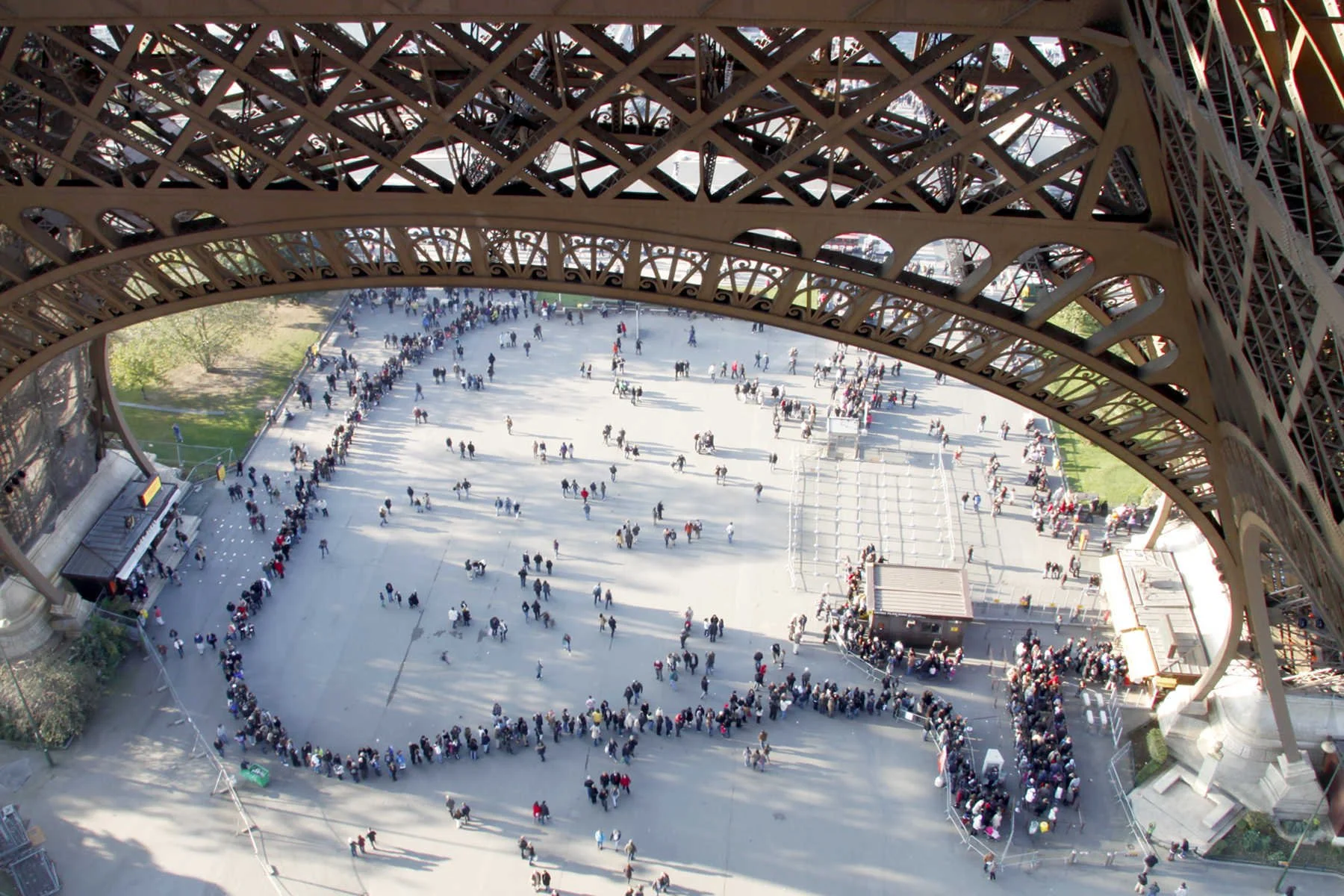
30–60+ days for blockbusters (Colosseum underground, Vatican early, Uffizi/Accademia, Eiffel Summit, Alhambra, major stadium tours).
Some special access (rooftops, undergrounds) sells out faster, so book with the bases set.
What to do
Place anchors at opening or late-opening slots that week.
Pair with a nearby lunch and a compact afternoon loop.
With kids, reserve one hands-on option (cooking class, bike tour) before passive ones.
Flex tactic
Leave one anchor-free afternoon per base for weather/energy.
Tripologiste tip: "Skip-the-line" is a receipt, not a strategy. A 9:00 AM timed entry on the right day beats a 2:30 PM slot in the heat every time.
Drivers, rental cars & ferries
Private drivers (countryside days): 4–8 weeks for summer weekends; earlier for harvest/wine periods.
Rental cars: 6–10 weeks; automatics sell out, so reserve early and re-check rates monthly.
Ferries (Greek islands/Amalfi/Med): 2–6 weeks for summer; pick morning crossings and avoid same-day long-haul flights.
Tripologiste tip: For coastal routes, morning seas tend to be calmer. A 9:30 AM ferry beats a 4:45 PM wobble.
Restaurants worth planning (only a few)
Best window:
Popular neighborhood spots: 2–4 weeks
Michelin/very hot tables: 4–8 weeks
Book where you'll already be; don't add a cross-town epic after a long museum day.
Tripologiste tip: Put dinner near the last anchor of the day. A 7:30 PM table three blocks away beats an "it spot" 45 minutes across town.
A simple countdown (copy/paste)
T-24 to T-32 weeks (6–8 months): Lock open-jaw flights; choose two or three bases; soft-hold flexible hotel options.
T-16 to T-20 weeks (4–5 months): Finalize hotels (at least flexible); sketch day-by-day anchors; list day-trip candidates. Watch for French high-speed rail, which can open around now (up to 6 months out).
T-8 to T-12 weeks (2–3 months): Buy high-speed trains (Italy and Spain typically open in this range); confirm airport transfers if landing late/with kids. Reserve priority anchors (major timed entries, key tours).
T-4 to T-6 weeks: Book driver days / car rentals / ferries where applicable. Reserve 1–2 special restaurants per base (optional).
T-1 to T-3 weeks: Build arrival/departure micro-plans; download tickets offline; star cafés/markets near each anchor. Re-check train times and platform notes; confirm hotel arrival notes and bag plans.
Tripologiste tip: Put all tickets/passes into one offline folder + one paper backup. Airports at 6:00 AM are where batteries go to 2%.
"Do I need to rush-book everything?" (No, sequence it)
Lock the direction and bases early. Buy the few things that sell out (iconic timed entries, sleepers, island ferries on peak weekends). Leave one light afternoon per base so on-trip support can re-sequence if needed.
Reality check: If you're planning late, prioritize: flights → at least flexible hotels → the one or two anchors that matter most → essential trains. Great trips are made from good choices in the right order, not perfect choices in a panic.
Common variables that move the goalposts (and how to dodge them)
School holidays & festivals: Push your booking windows earlier and expect popular bases to tighten.
Strikes or weather spikes: Keep an anchor-free block and avoid same-day tight connections.
Major renovations: Some sights shift hours or capacity, so aim for opening slots and stay nimble with alternates.
Ultra-low-cost carriers: Great fares, strict dimensions, so confirm bag rules before you buy, and measure fully loaded.
Tripologiste tip: If you must choose between the perfect hotel and the perfect time for your one must-see, pick the time. A 9:00 AM door into a dream is worth ten thread counts.
Mistakes to avoid (we fix these a lot)
Tickets before the plan. Sequence days first; then purchase.
Leaving trains to last week in summer. You'll get odd hours or stand-by stress.
Booking a car for the whole trip. Use short rural blocks; return the car before big cities.
Over-stuffing day-trips. Two great stops beat seven rushed ones.
Midday anchors in heat. Early/late slots change everything.
Backtracking bases. Open-jaw flights prevent "ping-pong itineraries."
Late-planner triage (if you're inside 6 weeks)
Flights: lock the direction and best-timed option you can afford.
Hotels: grab flexible rooms in the right neighborhoods; ignore "perfect" decor.
Anchors: pick one per base that truly matters; check late-opening or combo tickets.
Trains: buy the non-negotiable segments now; leave buffer between connections.
Everything else: build walkable loops and keep one afternoon free for weather/energy.
Tripologiste tip: "Sold out" often means "try a different time." Look at opening slots or last two hours; consider the day after you arrive, not the day of.
One last thing about "rules"
There aren't any, only trade-offs and timing curves. The windows above are our ideal lanes for comfort, price, and choice. Life doesn't always hand you ideal. If your timeline is shorter or your dates are fixed, we'll adjust the order, keep buffers, and lean on flexible options. Great trips are built from sequence + judgment, not perfection.
Tripologiste tip: The best booking strategy is the one that protects your mornings, respects your energy, and leaves room for a late-night gelato at 9:30 PM without sprinting across town.