
Christmas in Europe, Like a Local: Rituals, Flavors, Quiet Magic
(10 minute read)
Not just the lights and markets—the rituals, flavors, and quiet magic of the season.
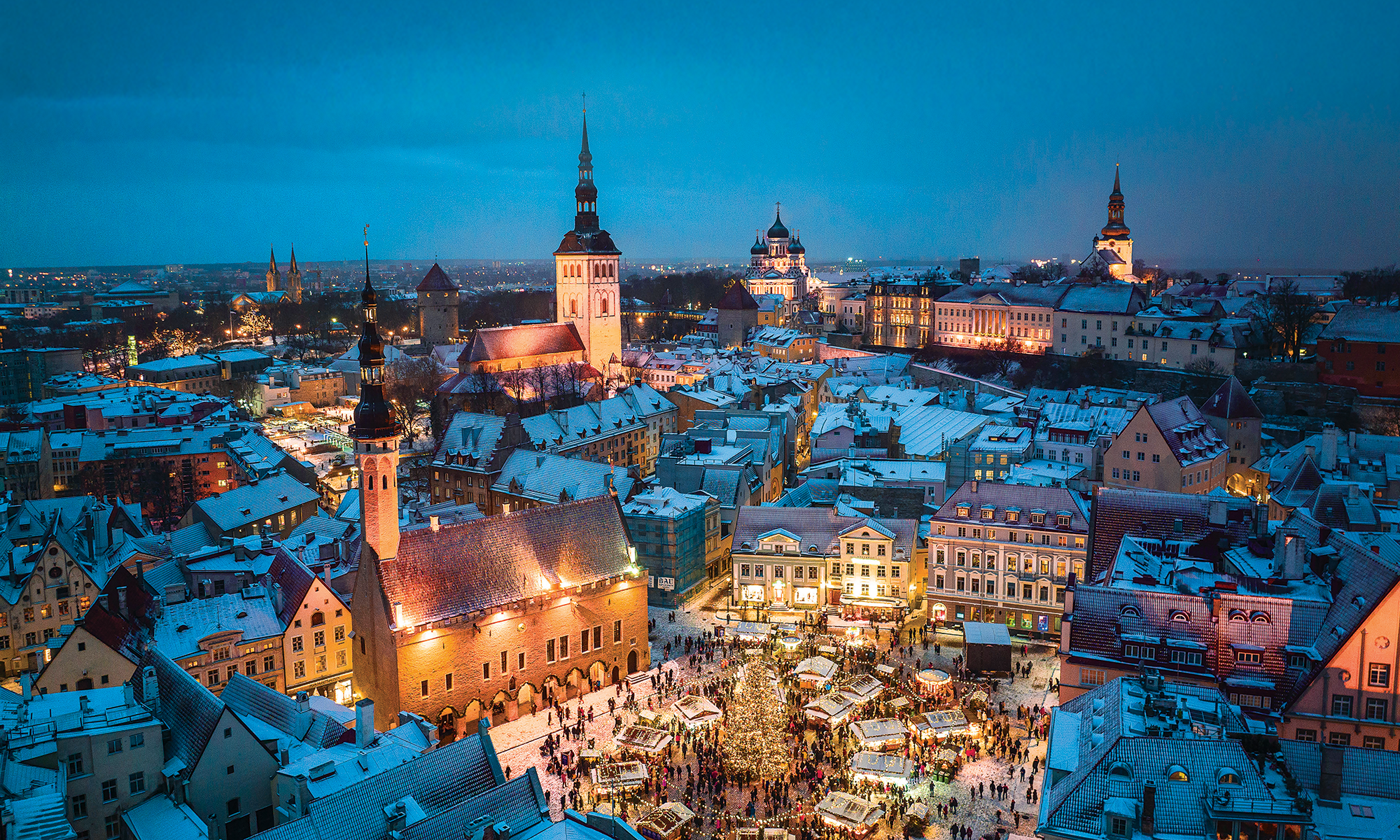
There’s nothing quite like Christmas in Europe. Sure, the fairy lights and mulled wine are nice. But beyond the postcard scenes and Instagram-ready markets, the season is layered with family rituals, regional flavors, and centuries-old customs—some cozy, some surprising, many still lovingly practiced in homes and villages every year.
At Tripologiste, we encourage travelers to experience not just the sights of Europe, but the rhythm of it—and December is full of cultural depth if you know where to look. Use this guide as a set of ideas, not rules. Traditions vary by region, year, and family, and you don’t need to do everything to do it “right.” Pick a few moments that resonate, leave space for serendipity, and let the season unfold.
France: Réveillon, Santons, and the Art of Candlelight
France celebrates softly and deliciously. You’ll see restrained décor on elegant streets, then step indoors to tables that sparkle.
What locals do
Réveillon (Christmas Eve): A late, lingering supper after Messe de Minuit (Midnight Mass) or simply as the evening’s center. Expect oysters, smoked salmon, foie gras, roast capon or turkey, and a classic bûche de Noël (Yule log cake).
Santons de Provence: In Provence, families build nativity scenes with small hand-painted “santon” figures—bakers, fishmongers, shepherds—so the whole village gathers around the Holy Family.
Thirteen Desserts (Les Treize Desserts): Also Provençal: a spread of fruits, nuts, nougat, and cakes that symbolize generosity and abundance.
Epiphany (Jan 6): The party continues with galette des rois (puff pastry frangipane tart) or gâteau des rois (brioche in the south). Find the fève (trinket) and wear the crown.
How to join in
Order oysters like a local: Half-dozen No. 3s with lemon and mignonette; a chilled white; a slice of buttered rye.
Visit a santon market in Provence or a holiday fair in Alsace (Strasbourg’s Christkindelsmärik is iconic).
Go to an evening concert in a small church. Arrive 30 minutes early; bring a scarf—the stone holds the cold.
Tripologiste tip: Book holiday dinners early; many restaurants close Dec 24–26 and Jan 1, or run set Réveillon menus. If you’re in Paris, aim to see lights in the “blue hour” around 4:30–5:30 PM; it’s when the city looks like it’s been painted.
Germany & Austria: Advent, Markets, and Alpine Mischief
Germany practically invented the Weihnachtsmarkt (Christmas market) and Austria elevated the seasonal concert. Combined, they deliver warmth with precision.
What locals do
Advent Sundays: Families light a candle each week; Advent calendars are serious business (and not just for kids).
St. Nicholas Day (Dec 6): Children leave a shoe out for treats; in Alpine areas, Krampus processions playfully (and loudly) chase off mischief.
Heiligabend (Christmas Eve): The main family celebration—gifts, church, and dinner (roast goose in some regions, sausages and potato salad in others).
Vienna’s musical season: Choirs, oratorios, and intimate salon concerts fill calendars.
How to join in
Choose markets with personality: Dresden’s Striezelmarkt (for stollen), Nuremberg (for gingerbread), Salzburg or Hallstatt (for Alpine ambience).
Drink wisely: Glühwein is the default; Feuerzangenbowle is its theatrical cousin; Kinderpunsch is alcohol-free.
Mind traditions: Some cities light a large Advent wreath; others host living Nativity scenes and brass ensembles in the evening.
Tripologiste tip: Markets are best at dusk; arrive around 4:00 PM, wander until 6:30 PM, then book dinner nearby. If you’re sensitive to crowds, go weekday late afternoons.
Italy: Presepi, Seven Fishes, and La Befana
Italy stretches Noël into a season of light and saints—with presepi (nativity scenes) as the star.
What locals do
Nativity first, tree later: Cities build elaborate presepi; Naples’ artisan street (San Gregorio Armeno) adds cheeky modern figurines alongside shepherds.
La Vigilia (Christmas Eve): Traditionally meat-free; many families celebrate with the Feast of the Seven Fishes (or more), from baccalà to pasta alle vongole.
Zampognari: In some regions, shepherds play bagpipes in the streets—an ancient, haunting sound.
Epiphany (Jan 6): La Befana, a kindly witch, brings sweets for children; many towns host parades and bonfires.
How to join in
Hunt for presepi: Rome’s churches, Napoli’s workshops, living nativity plays in Umbria and Basilicata.
Sweets to try: Panettone (Milan) or pandoro (Verona) with mascarpone cream; torrone; struffoli in Naples.
Midnight Mass etiquette: Dress modestly, arrive 20–30 minutes early, and step out quietly if it’s standing room only.
Tripologiste tip: For La Vigilia, book an early evening fish menu around 7:30 PM; Italians will arrive later, and you’ll have a calmer room.
Spain & Portugal: Nochebuena to the Three Kings
The Iberian calendar keeps rolling right through early January.
What locals do (Spain)
Nochebuena (Dec 24): Family dinner, then church or a late stroll.
New Year’s grapes: Eat twelve grapes with the midnight chimes for luck.
Cabalgata de Reyes (Jan 5): The Three Kings parade; Roscón de Reyes cake crowns Epiphany.
Regional charms: Caga Tió (Catalonia’s gift-log), Olentzero (Basque coal-bearer), and city-specific lights shows.
What locals do (Portugal)
Consoada (Dec 24): A codfish feast with boiled potatoes and greens; late Missa do Galo (Midnight Mass).
Bolo Rei (King Cake): candied fruit and pine nuts; filhós and rabanadas (sweet fritters) appear across the country.
Janeiras: In the north, caroling groups go door-to-door in early January.
How to join in
Find a barrio market by day, then stroll under lights after 6:00 PM.
Families first: Expect some closures Dec 24–25 and Jan 1; in Spain, many gift exchanges happen on Jan 6.
Tripologiste tip: In Barcelona or Madrid, the Jan 5 parades get busy; arrive 45–60 minutes early if you want a front-row curb.
The Nordics: Light in the Darkness
From Denmark to Finland, Christmas is a campaign of warmth against long dark days.
What locals do
Saint Lucia (Dec 13): White robes, candle crowns, and songs usher in the light in Sweden; Norway, Denmark, and Finland observe variations.
Julbord/Julebord: Hearty holiday buffets—cured salmon, herring, meatballs, ham, cheeses, potatoes, and sweets.
Sauna on Christmas Eve (Finland): A quiet, family ritual of cleansing before dinner; then glögi (mulled wine) with almonds and raisins.
How to join in
Book a julbord in Stockholm, Copenhagen, or Oslo; ask locals for their favorite classic spots.
Think hyggelig & koselig: Lamps low, candles high, wool socks on.
Outdoor moments: If the aurora is in season, consider an early night and a late wake-up; hot berry juice is your best friend.
Tripologiste tip: Respect the mood. This is a quieter, family-focused season. Photograph candles and windows from a distance; look, don’t loom.
United Kingdom & Ireland: Carols, Crackers, and Boxing Day
A British Isles Christmas blends church music, pub culture, and home rituals.
What locals do
Carols & Lessons: Cathedrals and parish churches host soaring music—Cambridge’s “Nine Lessons and Carols” is the famous touchstone.
Christmas dinner: Roast turkey or goose, roast potatoes, Brussels sprouts, Christmas pudding with brandy sauce; crackers pop with paper crowns and jokes.
Boxing Day (Dec 26): A walk, a match on TV, a pub fire; in Ireland, St. Stephen’s Day parades and visits continue the conviviality.
Pantomime: Family theater with slapstick and song, beloved by kids and grandparents alike.
How to join in
Book a carol service in advance if possible; otherwise, parish churches welcome walk-ins—arrive 30–45 minutes early.
Find a neighborhood pub with a fire; order a Sunday roast even if it’s Thursday.
Tripologiste tip: Many cities close hard on Dec 25 and run limited transport Dec 26. Stock breakfast supplies the day before.
Central Europe: Carp, Carols, and Candlelight (Poland, Czech Republic, Hungary)
Traditions here are tender and specific.
Poland (Wigilia, Dec 24)
Twelve meatless dishes for the twelve apostles; opłatek wafer shared with wishes before dinner.
Carp and mushroom dumplings star; a place may be set for the unexpected guest.
Pasterka: Midnight Mass; snow optional but politely requested.
Czech Republic (Štědrý den)
Fried carp and potato salad on Christmas Eve; Ježíšek (the Christ Child) brings gifts.
Christmassy markets in Prague and Brno pair beautifully with choral concerts.
Hungary
Halászlé (fisherman’s soup) and bejgli (poppy-seed or walnut roll) appear on tables; church services anchor the evening.
How to join in
Try carp once: You may fall in love or tell the story forever.
Concerts in baroque churches are plentiful; bundle up and bring patience—these spaces get packed.
Tripologiste tip: Book accommodation with a kitchenette if you’re here Dec 24–26; restaurants can be scarce.
Greece and the Orthodox World: Boats, Carols, and Two Calendars
Greece celebrates on Dec 25, but old rhythms remain; several Orthodox communities elsewhere celebrate Christmas on or around Jan 7 (per the Julian calendar).
What locals do (Greece)
Karavaki (boats) & stars: In some regions, decorated boats share space with trees—seafaring pride.
Kourabiedes & melomakarona: Almond sugar cookies and honeyed walnut cookies compete for first place.
Kalanda (carols): Children sing with triangles from house to house.
Epiphany (Jan 6): Blessing of the waters; swimmers retrieve a cross tossed by the priest.
What to expect elsewhere
In Serbia, Georgia, parts of Ukraine and Romania, many families keep traditions aligned to early January: fasting, special breads, and all-night services.
Tripologiste tip: If your trip straddles late December and early January, you may see two Christmases. Lucky you.
Switzerland & Benelux: Quiet Quality and Early Treats
Switzerland leans into crafts, chocolate, and tidy markets; Samichlaus (with shadowy sidekick Schmutzli) visits children Dec 6.
Belgium & the Netherlands front-load celebration with St. Nicholas (Sinterklaas) and pakjesavond on Dec 5, then hold a more modest Christmas Day.
How to join in
Taste the region: Swiss fondue/raclette nights, Belgian speculoos and chocolates, Dutch oliebollen near New Year’s.
Seek small towns: Bernese Oberland villages and canal towns glow beautifully at 5:00 PM when lights come on.
Tripologiste tip: In the Netherlands, Sinterklaas has a complicated history; observe respectfully, and center locals’ voices.
How to Participate Like You Belong There
Pick one ritual per base. A concert, a market at dusk, a family-run bakery’s specialty, or a church service. Don’t try to collect them all.
Dress the part. Layers, a real coat, a hat that loves wind, waterproof shoes. Churches are cold inside; bring a scarf even at 7:00 PM.
Mind closures and transit. Expect reduced hours Dec 24–26 and Jan 1. In some cities, public transport runs a holiday schedule; check last departures if you’re out late.
Be camera-kind. Candlelit services and children’s events are not your photo set. Ask before photographing people; avoid flash.
Learn the greeting.
Joyeux Noël (FR)
Frohe Weihnachten (DE/AT)
Buon Natale (IT)
Feliz Navidad (ES) / Feliz Natal (PT)
God Jul (SE/NO/DK) / Hyvää Joulua (FI)
Wesołych Świąt (PL)
Nollaig Shona (IE)
Eat local sweets. Stollen, panettone, bûche, roscón, kourabiedes—say yes once per day and call it cultural research.
Bring cash. Markets sometimes prefer small bills; so do church collection baskets.
Give the street a gift. Pack hand warmers to share, carry a spare pack of tissues, hold a door. Tiny kindnesses are the season in action.
Planning a December trip? Check our Tripologiste Events Calendar for handpicked Christmas markets, candlelit concerts, Lucia processions, Three Kings parades, and more—filtered by country so you can slot the good stuff into your week.
Slowing Down With the Season
In much of Europe, Christmas isn’t loud or flashy. It’s slow. Grounded. Familiar. It’s candles lit one by one, recipes that surface only once a year, and a steady current of ritual that holds its line in a fast world.
At Tripologiste, we build travel that matches that rhythm—especially in December. Whether you’re sipping glögg by a fire, sharing oysters after Réveillon, baking panettone with a host family, or wandering a snow-dusted market at dusk, we want you to feel like you belong to the moment, not just the map.
What’s your favorite winter tradition at home—or one you’ve discovered abroad? Share it in the comments—we’d love to hear how you make the season special.