
When to Go Where: A Month-by-Month Guide to Europe
(8 minute read)
The right place at the wrong time of year can quietly wreck a trip. Tulip fields are magic in April and bare dirt in December. The Alps are a paradise in January and a shuttered off-season in July. Timing is half of travel.
So here is a month-by-month guide to Europe, matching destinations to the season by weather, crowds, and what's actually happening on the ground. It leans on where we've been and what we've learned the hard way, including the trips we mistimed ourselves. Use it to build your calendar, and to question a few shoulder-season assumptions on the way.
January – Alpine Snow and Quiet Cities
Go here: Switzerland, Austria, the Norwegian Arctic
Why: Peak ski season in the Alps, and the northern cities are at their coziest under snow, with post-holiday prices and thin crowds. Go far enough north, to Tromsø or Norwegian Lapland, and January is aurora season, the long dark paid back in northern lights.
Tripologiste touch: We're based only a couple of hours from the Swiss border, so this is our winter backyard. We'd point you at the smaller valley towns over the brand-name resorts, where a lift pass and a plate of rösti cost half what they do at the marquee names.
February – Carnival and the Quiet Off-Season
Go here: Venice, Nice, Cádiz
Why: February is Carnival across Catholic Europe, masks and parades in the weeks before Lent. The exact dates slide with the church calendar, so check the year. Venice does it in full costume, Nice throws its flower-battle parades, and Cádiz turns satirical and loud. Skip the festivals and you still get cities like Bruges and Prague with no spring-break crowds at all.
Tripologiste touch: We've done Venice and Nice out of season, and winter Venice is the version worth having: the crowds gone, the fog in, the prices human. Come for Carnival if you want the spectacle, or the quiet weeks on either side if you'd rather have the place to yourself.
March – The South Wakes Up
Go here: Seville, Lisbon, Athens
Why: The Mediterranean south warms first. By March, Seville and Lisbon are mild enough for lunch outdoors, the orange trees are in blossom, and the summer crowds are still months off. Athens stays cool but comfortable, ideal for walking the ancient sites without July's heat or lines.
Tripologiste touch: March is a gamble up north and a safe bet down south. If you're set on spring, aim at the Mediterranean and let the rest of Europe catch up in April.
April – Blooms, Tulips, and Easter
Go here: The Netherlands, the Loire Valley, Slovenia
Why: Spring peaks. April is tulip season in the Netherlands, the fields and Keukenhof at their best around mid-month, and the Loire wakes up, gardens and châteaux open before the summer coaches arrive. Slovenia is green, affordable, and nearly empty. Easter falls in spring too, filling churches and town squares with processions.
Tripologiste touch: We've spent spring in the Loire, and it's the right season for it, the château gardens planted and open, the valley not yet booked out. Go before May and the big houses are nearly yours in the mornings.
May – The Shoulder-Season Sweet Spot
Go here: Croatia, Portugal, the French Riviera
Why: Warm but not yet hot, long days, and the peak-season prices and crowds still weeks away. On the coasts especially, this may be Europe at its best value.
Tripologiste touch: This is the one we learned in person. We went to Croatia in July, and more than one local told us we'd arrived a month or two late, that May is the window before the summer crush lands on the Dalmatian coast. They were right. If Croatia's on your list, May is the move.
June – Early Summer Before the Rush
Go here: The Dolomites, the Baltic coast, the west of Ireland
Why: The weather turns reliable while the school holidays haven't started, so trails, ferries, and coastlines are lively but not overrun. In the far north, the days stretch toward the white nights.
Tripologiste touch: The Dolomites in June are hard to beat, the high trails clearing of snow, the mountain huts open, the summer crowds still a few weeks out. We'd build a June trip around the lifts and refuges and leave the plan loose enough to chase the good weather.
July – High Summer, Chosen Carefully
Go here: Provence, the Basque Country, Copenhagen
Why: Peak season is here, so the trick is picking places that wear it well. Provence is at its most iconic in July, the lavender at full color on the Valensole plateau. The Basque coast stays greener and cooler than the baking Mediterranean. And Copenhagen turns into a long-daylight northern summer city, harbor swims and all.
Tripologiste touch: Two of these we know in our bones. We keep going back to Marseille for the calanques, the turquoise limestone inlets you have to earn on foot. And Paul's sister lives in the Basque Country, so we know it well past the guidebook: the woven tissu basque, everything dusted in piment d'Espelette, and a game of pelote (the ferocious Basque ball sport) if you can catch one. Base yourself in San Sebastián and cross the border both ways.
August – The North at Its Peak
Go here: The Scottish Highlands and Edinburgh, Iceland, the Norwegian coast
Why: August is peak summer, and the far north gets its warmest, longest, greenest weeks of the year. Edinburgh, meanwhile, becomes the center of the cultural universe: the Fringe, the International Festival, and the Military Tattoo all run through August, turning the whole city into one enormous stage.
Tripologiste touch: We've spent time in the Highlands, and August is when the north pays off, long light, open trails, the land at full green. Pair a few festival days in Edinburgh with a week in the hills and you've used the month instead of fighting it.
September – Harvest and Breathing Room
Go here: Tuscany, Burgundy, Santorini
Why: The summer crowds thin and the heat softens, and the wine regions are in or just past the vendange (grape harvest), which warmer years keep pushing earlier, sometimes into late August now. For an all-around month, September is still hard to beat: warm days, cool evenings, and the harvest on every table.
Tripologiste touch: Burgundy is home, and September is one of its best faces: the grapes coming in, the whole region smelling of fermenting fruit, the villages we'd send you to working rather than performing. Tuscany runs on the same clock a little further south. Santorini holds its summer warmth with a fraction of the August mob.
October – Foliage, Castles, and Cooler Air
Go here: Bavaria, Transylvania, Lake Bled
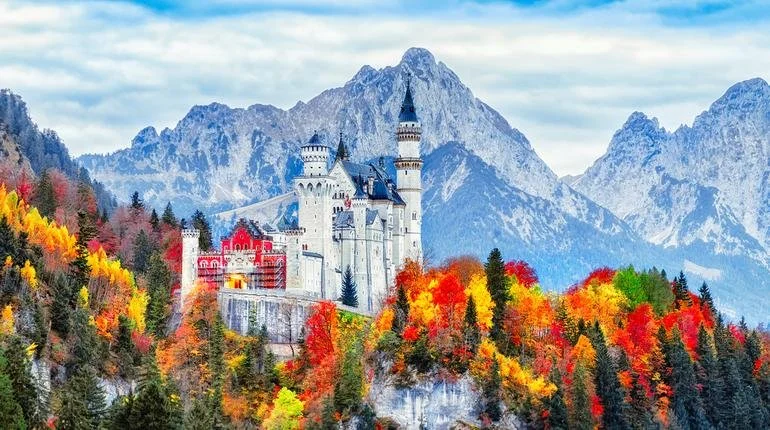
Why: Autumn arrives in earnest, foliage in the hills, harvest markets, and a moody light that suits castles. Bavaria trades its beer tents for golden forests and the Alpine foothills below Neuschwanstein. Transylvania leans all the way into its Dracula-season atmosphere, fog and turrets included. Lake Bled mirrors the color back at you with a fraction of the summer crowds.
Tripologiste touch: One timing note, because people get this wrong: Oktoberfest is mostly a September event, wrapping on the first Sunday of October, so by mid-month the tents are down. If it's the beer halls you're after, aim for late September. If it's the autumn, October Bavaria is castles and color. When we went to Stuttgart's Cannstatter Volksfest, the regional cousin that runs deeper into October, we caught the sweet spot: the festival still going, the crowds already thinning.
November – The Quiet Season
Go here: Andalusia, Malta, Budapest
Why: The crowds are gone and the prices fall. Andalusia stays mild enough for daytime sightseeing, Malta hovers near swimmable, and Budapest is built for November, thermal baths, coffee houses, and an early dark that makes a warm room feel earned.
Tripologiste touch: November is the month to travel if you can't stand crowds and love a deal. We'd lean into the indoor pleasures, the baths, the museums, the long lunches, and treat the short days as a feature rather than a flaw.
December – Christmas Markets and Fairy Lights
Go here: Strasbourg, Nuremberg, Tallinn
Why: Europe does Christmas better than anywhere, and December is when the market towns light up, mulled wine, gingerbread, and medieval squares glowing under the lights. The big German and French markets run from late November to Christmas Eve.
Tripologiste touch: We love Strasbourg, and its Christkindelsmärik is the real thing, one of the oldest Christmas markets in Europe, wrapped around a cathedral. We'd send you there, then down to Colmar and across the Rhine into Germany for more, and remind you that it gets bitterly cold, so pack like you mean it.
The through-line is simple: match the place to the month, and half the work of a good trip is already done. That's the part we love at Tripologiste, finding the window where a destination is at its best and pointing you straight at it.
What's your favorite time of year to travel in Europe, and where are you dreaming of going next? Tell us in the comments.