
The Weirdest Museums in Europe—and Why You Should Actually Go
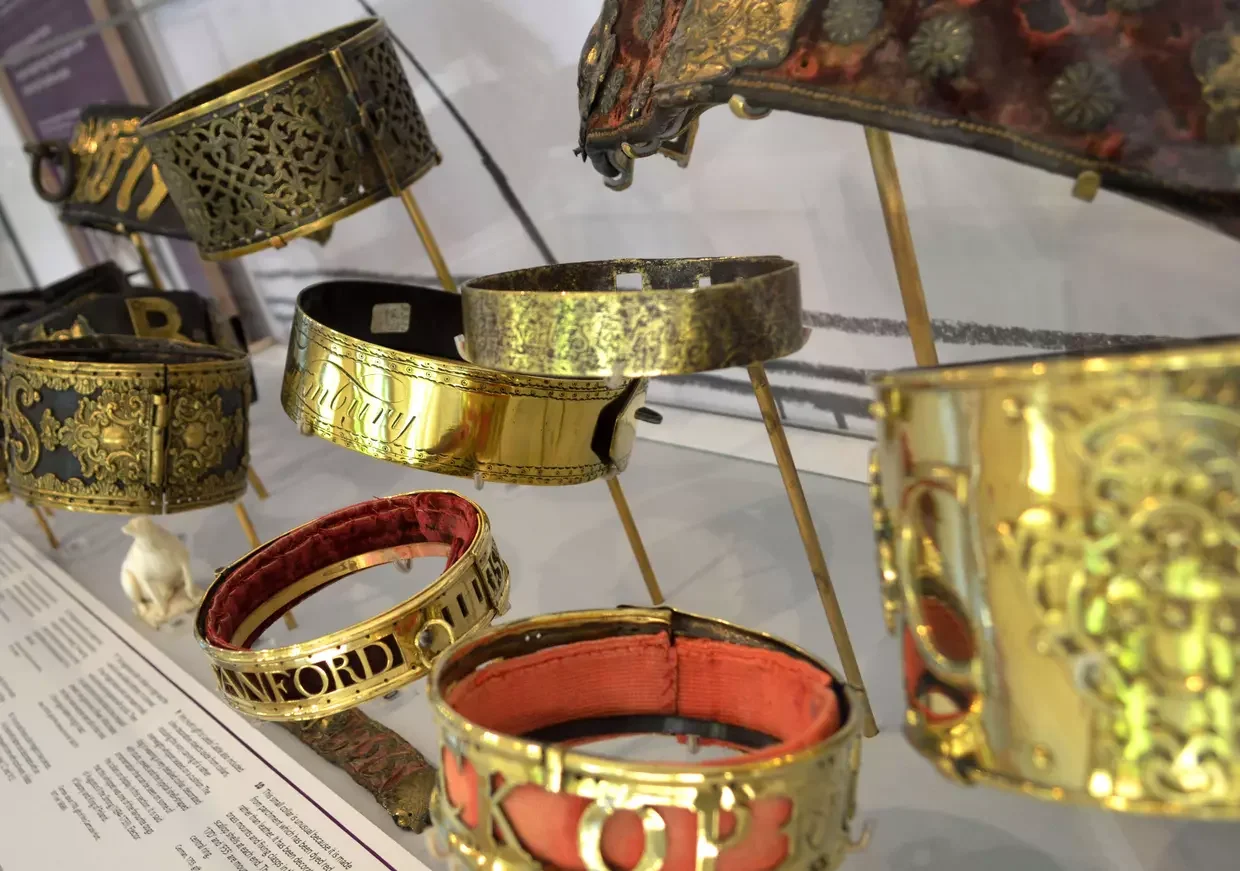
Dog Collar Museum — Leeds Castle, England
(6 minute read)
Because you can only look at so many oil paintings before you start craving something truly unhinged.
Europe is full of museums. Art, history, war, more art, a palace, another palace… and somewhere along the way your brain quietly whispers: please, no more portraits of stern men in wigs. That’s where the weird museums come in—the ones that leave you delighted, a little confused, and vaguely concerned for the curator’s social life. At Tripologiste, we believe in high culture and high strangeness. Here are gloriously odd stops across Europe—and why they deserve a spot on your next itinerary.
Museum of Broken Relationships — Zagreb, Croatia
What it is: A deeply human shrine to the ephemera of heartbreak.
What you’ll see: A toaster that outlived a love story. An axe once (symbolically… probably) deployed against an ex’s furniture. Notes and objects sent by people all over the world.
Why go: It’s moving, funny, and cathartic. You’ll laugh, you’ll mist up, you’ll remember that “emotional baggage” can be literal—and weirdly beautiful.
Museum of Hair — Avanos, Türkiye (yes, we’re stretching “Europe,” don’t @ us)
What it is: A cave full of hair. Human hair.
What you’ll see: Tens of thousands of labeled locks donated by visitors over decades, pinned to walls like a Victorian fever dream.
Why go: Because once you’ve seen it, you can’t unsee it—and you’ll tell the story for years. Also, cave + hair = dinner-party trump card.
Micropia — Amsterdam, Netherlands
What it is: A museum of microbes. The unseen world made… weirdly adorable.
What you’ll see: Living cultures, magnified life forms, and interactive stations that make you say “ew” and “wow” in the same breath.
Why go: It’s science-forward and delightfully gross. The perfect palate-cleanser between canal houses and canals of beer.
Paris Sewers Museum (Musée des Égouts) — Paris, France
What it is: The city’s hidden plumbing, curated.
What you’ll see: Walkways above working tunnels, engineering history, and a whole new appreciation for infrastructure (and waterproof shoes).
Why go: Paris looks different when you’ve met its underbelly. Bonus: the most honest use of the word “funky” you’ll ever experience.
Museum of Vampires & Legendary Creatures — Paris, France
What it is: Part private collection, part folklore salon—an obsessive love letter to the undead.
What you’ll see: Vampire-hunting kits, creepy relics, and a guide who is 110% committed to the bit.
Why go: It’s delightfully theatrical and feels like stepping into someone’s haunted living room. Because you are.
Museum of the Unheard-of Things — Berlin, Germany
What it is: A pocket-sized cabinet of curiosities dedicated to tiny marvels and oddities.
What you’ll see: Objects with stories attached—half science, half poetry. You read, you ponder, you grin.
Why go: Berlin’s big museums are excellent, but this one will live rent-free in your memory for specificity alone.
Bread Museum — Ulm, Germany (Wissenschaftszentrum Brot und Ernährung)
What it is: A serious deep-dive into bread’s role in culture, power, and survival.
What you’ll see: Ancient grains, historic loaves, propaganda posters, and art that proves bread is never just bread.
Why go: You’ll leave oddly inspired—and hungry. Pair with a bakery run and call it a thesis.
Viktor Wynd Museum of Curiosities — London, England
What it is: A maximalist wunderkammer of natural history, erotica, taxidermy, art, and “sure, why not?”
What you’ll see: Mermaids that aren’t, skeletons that are, and a bar that softens the edges of it all.
Why go: London has the British Museum; it also has this. Balance restored.
Dog Collar Museum — Leeds Castle, England
What it is: Exactly what it sounds like: centuries of canine couture.
What you’ll see: Spiked medieval collars, velvet frippery, and the slow realization that humans have always been extra about pets.
Why go: It’s charming, quirky, and a perfect detour on a castle day.
Phallological Museum — Reykjavík, Iceland
What it is: A museum of penises. From lots of species, with scientific commentary and a disarmingly straight face.
What you’ll see: Over 200 specimens, artistic riffs, and a gift shop you cannot unremember.
Why go: Because it’s equal parts juvenile and educational—very Iceland, in other words.
Pathological–Anatomical Collection (Narrenturm) — Vienna, Austria
What it is: A historic round tower filled with medical oddities, wax moulages, and the history of disease.
What you’ll see: Pathologies in jars, teaching models, and the sobering arc of medical progress.
Why go: Macabre, fascinating, and a reminder that “healthcare” used to be a very different word.
Museum of Witchcraft and Magic — Boscastle, Cornwall, UK
What it is: Europe’s richest collection of witchcraft artifacts and folk magic.
What you’ll see: Charms, poppets, ritual tools, and a thoughtful look at persecution and belief.
Why go: It’s scholarly and spooky in equal measure—plus, the Cornish coast is a spell of its own.
Museum of Alchemists and Magicians — Prague, Czech Republic
What it is: A playful dive into Prague’s Renaissance alchemy scene, with a side of theatricality.
What you’ll see: Laboratories (staged), lore (plentiful), and enough esoteric trivia to fuel a week of pub chats.
Why go: Because Prague’s weird streak predates your favorite novelist by a few centuries.
Erotic Museum — Barcelona, Spain
What it is: A frank, funny tour of erotic art and history.
What you’ll see: Ancient to modern pieces, surprising facts, and a reminder that humans have always been creative about pleasure.
Why go: It’s cheeky, informative, and steps from La Rambla—an antidote to postcard fatigue.
Pasta Museum — Parma, Italy (Museo della Pasta)
What it is: A whole museum dedicated to pasta’s history, machinery, and culture.
What you’ll see: Grain mills, bronze dies, vintage posters, and the evolution of spaghetti in glorious detail.
Why go: Because few things are as weirdly satisfying as learning that your dinner has a backstory—and Parma’s food scene lets you eat the footnotes.
Amsterdam Torture Museum — Amsterdam, Netherlands
What it is: A graphic, grim catalog of historical punishments.
What you’ll see: Iron maidens, thumb screws, the Spanish donkey, and other instruments that make you grateful for modern jurisprudence.
Why go: It will cleanse the palate of any lingering syrup from your stroopwafels. Consider it balance.
How to Work the Weird Into a “Normal” Itinerary
Pair odd with iconic. Do Micropia before the Rijksmuseum, or the Paris Sewers after the Orsay. The contrast makes both pop.
Pick one bizarre stop per base. Weirdness is a spice, not the main course (unless you want it to be).
Check niche hours. Many smaller museums keep irregular schedules or require advance booking.
Bring curiosity, leave judgment. These places exist because someone cared—a lot. That’s half the fun.
Exit Through the Gift (and Giggle) Shop
Travel doesn’t have to be noble all the time. Sometimes the most memorable hours happen in a basement full of oddities or a salon dedicated to the undead. The weird museums of Europe add texture between frescoes and fortresses; they reset your brain, spark dinner conversations, and prove that culture includes the curious, the comic, and the downright uncanny.
We’ll always plan your art, history, and architecture. But we’ll also leave room for the exhibit that makes you say, “Wait… what?” That’s the moment you’ll be talking about long after the masterpiece fades from your camera roll.
What’s the strangest museum you’ve ever wandered into—or the one on your list? Drop it in the comments so we can expand our oddball map.