
Less Luggage, More Europe: The Multi-City Europe Packing Guide
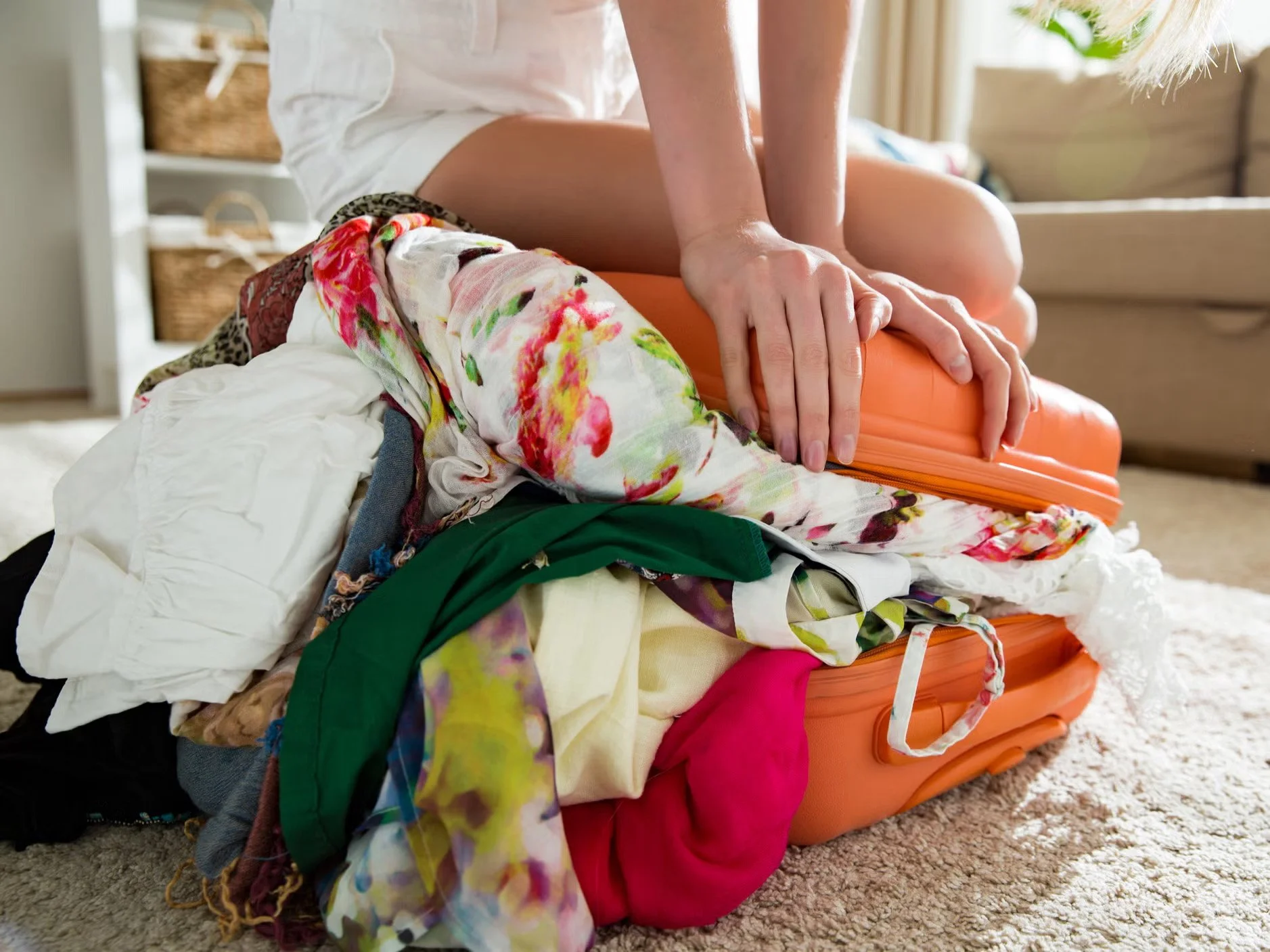
(8 minute read)
Packing for a multi-city trip through Europe is a different problem from packing for a beach week or a single resort. You will be hauling bags through train stations, rolling them over cobblestones, lifting them onto luggage racks and up the stairs of centuries-old buildings, and moving between cities, climates, and rhythms every few days. The travelers who enjoy these trips most are not the ones who bring more. They are the ones who bring less, and bring the right things.
The secret is not packing for every possible scenario. It is building a small, flexible wardrobe, planning one simple laundry stop at the midpoint, and carrying a compact kit that keeps you comfortable through heat, rain, delays, and long days on your feet. Because the bag has to move with you, every extra kilo is a tax you pay over and over, at every station and every hotel change. Pack for the movement, not just the destination, and you will spend less of the trip dragging your luggage and more of it enjoying where you are.
Why packing light matters more when you keep moving
On a multi-city trip, the weight of your bag is not a one-time inconvenience at the airport; it is a cost you pay on repeat. You lift bags onto racks and up steps far more often than you expect. Old-town streets, with their cobblestones, narrow sidewalks, and historic buildings, were not designed for a giant rolling suitcase. And every hotel move, even if you only change cities twice, goes more smoothly with less to wrangle. There are quieter savings too: fewer taxis you take because you cannot face the walk, fewer baggage fees, less standing around at carousels. For most travelers the target is simple: one carry-on-sized suitcase and one small personal item each, with families perhaps sharing a single checked bag if they truly need the space.
Luggage that works
A carry-on spinner or two-wheel roller in the 55-to-60 cm range is the workhorse, easy to steer through stations and into small hotel elevators. If you are comfortable carrying your bag and expect a lot of stairs, a soft duffel or a 35-to-40 liter travel backpack is even better on a moving trip, because stairs and cobblestones punish wheels. Your personal item, the under-seat bag, should hold your medications, valuables, electronics, documents, a light layer, and the day's essentials. One habit worth building: weigh your empty suitcase before you pack, because a heavy bag quietly eats into your airline weight allowance before you have added a thing.
The day-flow kit
Think of this as your daily survival pouch, the one thing that moves from city to city and lives in your daypack. For weather, carry a compact umbrella, a packable rain shell, a hat, and travel-size sunscreen. For comfort, keep blister patches, bandages, a pain reliever, lip balm, and hand sanitizer. For energy, tuck in electrolyte packets and a small snack. For convenience, a portable battery, a universal adapter, a charging cable, and pocket tissues. And for backup, a printed set of reservations and a passport copy. Carrying these means fewer emergency pharmacy runs and fewer purchases of things you already own sitting in the suitcase back at the hotel.
Clothing capsules that work
The best travel wardrobes lean on pieces that mix and match, and neutral colors make that far easier. Here is a starting point for each season.
Spring and Fall (50 to 64°F / 10 to 18°C)
Tops: 2 T-shirts, 2 smart-casual tops, 1 long-sleeve layer
Layers: 1 lightweight sweater, 1 packable water-resistant jacket
Bottoms: 2 versatile options, plus an optional third casual piece
Shoes: walking sneakers, one dress-casual shoe
Other: 5 to 7 underwear, 5 to 7 socks, a scarf, a compact umbrella
Summer (68°F+ / 20°C+)
Tops: 5 breathable tops, at least one with sleeves for churches and sun
Layer: a lightweight cardigan or linen overshirt
Bottoms: 2 versatile options, plus a dress or extra lightweight bottom
Shoes: a comfortable walking sneaker, a supportive sandal or loafer
Extras: swimsuit, packable microfiber towel, sunglasses, hat, sunscreen
Winter (below 50°F / 10°C)
Tops: 4, including thermal layers
Layers: a merino or fleece mid-layer, a warm waterproof coat
Bottoms: 2 pairs, including one warmer option
Shoes: waterproof footwear, warm socks
Accessories: gloves, a beanie, a compact umbrella
On top of the capsule, bring exactly one smart-casual outfit for a nicer dinner, a performance, or a special evening: dark pants or black jeans, a button-down or blouse, a light blazer or a polished layer. You do not need multiple "just in case" outfits, and on a moving trip they are pure dead weight.
Toiletries, tech, and documents
Keep toiletries simple with travel-sized refillable containers. Bring a toothbrush and toothpaste, deodorant, the hair and skincare products you are particular about, prescription medications, and a small first-aid kit. Leave the full-size bottles and anything the hotel supplies almost everywhere. Keep medications in their original containers when you can, and always in your cabin bag.
On the tech side, essentials only: phone, charger, power bank, universal adapter, headphones, passport, and paper copies of your important documents, plus a cloud backup of your passport and cards. A little redundancy can save an entire day when something goes missing between cities.
The laundry strategy that changes everything
This is the heart of packing for a multi-city trip, and it is what separates it from packing for a single stop. Most overpacking happens because travelers pack for ten days when they only need to pack for five and do laundry once. Plan a single laundry session around day four to six, whether that is hotel laundry service, an apartment washer, or a local laundromat, and quick-dry underwear and socks can be rinsed in a sink and hung overnight in between. Families gain the most here: booking one accommodation with a washing machine near the midpoint resets everyone's wardrobe and cuts the luggage you all carry for the whole trip. Build the laundry stop into the itinerary on purpose, and you can halve what you pack.
Shoes: the honest policy
Two pairs, maximum, for most Europe trips: one primary walking shoe and one backup or dress-casual option. Break them in before you leave, test them on long walks, and make sure they hold up on uneven surfaces, because Europe is hard on footwear and good support matters far more than fashion. On a trip where you may walk 20,000 steps between two train stations, the wrong shoes will end your day early.
Security and valuables
Keep it simple and discreet. Use a zippered cross-body bag or daypack, carry a mix of payment cards, keep a small amount of local cash, consider a tracker like an AirTag in your checked luggage, and store passports in the hotel safe when it is practical. On a trip that keeps moving, staying organized is most of your security strategy.
Family add-ons
For toddlers, add a compact stroller, a snack kit, a lightweight blackout cover, and a small roll of tape for improvising in hotel rooms. For kids aged five to ten, an activity pouch with small games and books plus a collapsible water bottle. For teens, a personal daypack and some real ownership of the trip, navigation duties, snack and charging responsibilities, which tends to make the moving days smoother for everyone.
A few special situations
For beaches and islands, add reef-safe sunscreen, a quick-dry towel, a packable tote, and a rash guard. For Christmas markets and Nordic winters, pack thermal layers, waterproof footwear, hand warmers, and possibly traction devices for ice. For hiking days, a supportive daypack, foldable trekking poles (check airline policies), and extra socks.
What to skip
The items most travelers regret bringing on a moving trip are the heavy and the hypothetical: full-size toiletries, multiple "nice" outfits, heavy guidebooks, bulky towels, hair tools that need a voltage converter, extra shoes, and the assorted "just in case" objects. A simple test: if you did not need it on a previous trip, you probably will not need it on this one.
Sample 10-day packing list
Luggage
Carry-on roller, personal item
Clothing
5 tops, 2 bottoms, 1 sweater, 1 packable jacket, 7 underwear, 5 socks, 2 pairs of shoes
Day-flow kit
Umbrella, rain shell, medications, blister patches, power bank, adapter, tissues, hand sanitizer, sunscreen
Toiletries
Travel-size essentials, small medical kit
Documents and tech
Passport, copies, phone, chargers, headphones
FAQs
Carry-on only or one checked bag? Carry-on only is usually easiest on a moving trip. Families may benefit from one shared checked bag.
Are dress codes strict? Not generally. Smart-casual works almost everywhere.
Do I need converters? Most travelers only need plug adapters. Check your devices before you leave.
What if it rains all week? A good day-flow kit, waterproof shoes, and a few flexible indoor plans will cover most of it.
Can I buy things there if I forget something? Of course. But small essentials like medications, blister care, and adapters are easier to bring than to hunt down between trains.
What is the one item you never travel without, or the thing you packed "just in case" and never touched? Share your best packing win or your biggest packing mistake in the comments.